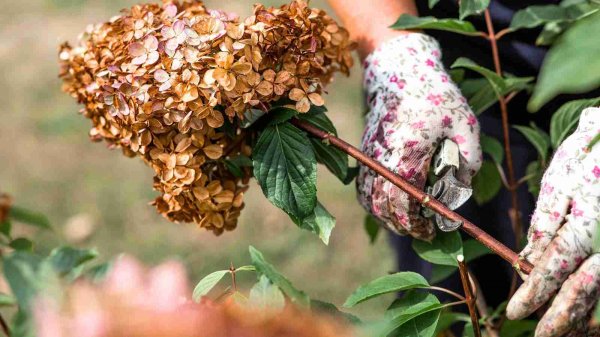
As autumn sets in, many gardeners reach for their pruners, but not all shrubs appreciate a fall trim. While the season is often associated with tidying up, excessive pruning can stimulate tender new growth that won't survive winter's frost. However, a select group of shrubs—including certain hydrangeas, evergreens, and roses—can be safely cut back in the fall, provided you follow a few key guidelines.
The general rule is to prune only shrubs that bloom on new wood or are evergreen, as they will regrow in spring without sacrificing next year's flowers. Avoid cutting plants that bloom on old wood, as you'll remove the buds that would have produced blossoms. Always use sharp, sterile shears, and never remove more than one-third of the plant's total growth at a time.
Hydrangeas: Smooth and Panicle Varieties
Two types of hydrangeas—smooth (Hydrangea arborescens) and panicle (Hydrangea paniculata)—bloom on new wood, making them prime candidates for fall pruning. Smooth hydrangeas, which typically grow 3 to 5 feet tall, can be trimmed anytime during the growing season to shape them, but the best time is late winter or early spring. In fall, you can remove overgrown branches, crossing stems, and old blooms. Panicle hydrangeas, which can reach up to 25 feet if left unchecked, benefit from a light autumn trim to keep them bushy. For larger blooms, thin stems so that five to ten remain; if the shrub is severely overgrown, a late-winter cut to the ground can rejuvenate it.
Evergreens: Juniper, Spruce, and Yew Pine
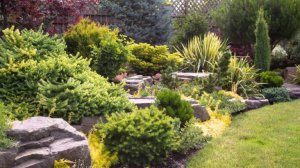
Evergreen conifers like junipers (Juniperus spp.) and spruces (Picea spp.) require careful handling because they won't resprout from bare wood. Junipers, which range from groundcovers to 80-foot trees, should only be lightly trimmed after a hard frost, removing dead or crossing branches back to a growth point with green leaves. Spruces, which can grow up to 230 feet in some species, need minimal pruning; light fall trimming helps maintain a dense, compact shape, especially for young trees that are being shaped formally. Shrubby yew pine (Podocarpus macrophyllus var. maki), on the other hand, is more forgiving—it resprouts from bare wood and can be sheared into spheres, cubes, or cones. Light fall pruning is fine, but major renovation should wait until late winter.
Roses and Other Fall-Friendly Shrubs
Roses (Rosa spp.) generally get their main pruning in late winter or early spring, but fall is a good time to shorten tall canes that might break in winter winds. Cut blooming canes to the ground to encourage shorter sprouts, and remove crossing or thin canes. Snip off red-orange hips to promote more blooms next year, but in cold climates, wait until after the last spring frost for major pruning.
Other shrubs that tolerate fall cuts include Scotch heather (Calluna vulgaris), which prefers fall pruning in warm climates—wait for flowers to fade, then trim green stems, avoiding bare woody branches. Ivy (Hedera spp.) can be pruned any time due to its vigorous growth; cutting berries prevents seed spread. Live oaks (Quercus spp.) are dormant from July to October, so small cuts are fine then, but avoid large branch removal. Hemlocks (Tsuga spp.) can be lightly trimmed year-round, removing entire branches to the collar. Herbaceous peonies (Paeonia spp.) benefit from fall pruning—cut all growth to the ground after leaves yellow.
Key Takeaways for Fall Pruning
Fall is ideal for light trimming and removing dead, damaged, or diseased wood, but not for hard pruning or rejuvenation. For most woody perennials, the bulk of pruning should wait until late winter or early spring. Always use sharp, sterile pruners, and be cautious with evergreens that won't regrow from bare wood. Avoid pruning during the extremes of winter and summer, and steer clear of old-wood bloomers in October, as you'll cut off next year's flowers. Boxwoods, for example, should be sheared in summer and hard-pruned in spring, not fall.