Building a rock garden is more than just piling stones and planting a few succulents. It requires careful planning, the right plant selection, and ongoing maintenance to avoid common pitfalls that can turn a dream landscape into a frustrating eyesore. From choosing the wrong location to overwatering, these nine mistakes can undermine even the most enthusiastic gardener's efforts.
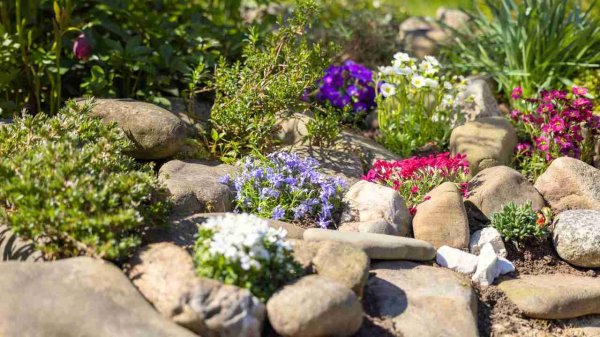
Whether you live in Maine, Kansas, or California, the principles of a successful rock garden remain the same. A well-designed rockery mimics the natural conditions of mountainous regions, featuring rugged perennials, alpine plants, and drought-tolerant shrubs. But without proper attention to drainage, sunlight, and soil composition, your garden may struggle to thrive.
Planning and Site Preparation
One of the most critical steps is selecting the right site. Avoid areas with poor drainage or standing water, as these conditions can lead to root rot and erosion. Hillsides, slopes, and open meadows are ideal, provided they receive ample sunlight. If your soil is heavy clay or sandy, amending it with compost—two to three inches mixed into the surface—can improve its structure and drainage.
Grading the area and positioning boulders strategically can prevent water from washing away soil. Creating channels that divert water between stones helps minimize erosion. For optimal soil composition, consider a mix of one-third pumice, perlite, or vermiculite; one-third compost or leaf mold; and one-third native soil. This blend ensures free-draining, porous conditions that alpine plants love.
Sunlight and Design Balance
Most rock garden plants require full sun—at least six hours of direct sunlight daily. Shade-loving plants, which prefer moist conditions, are often incompatible with the dry, sunny environment that rock gardens typically provide. If trees cast shadows over your chosen spot, prune branches to increase light exposure. South-facing sides of buildings are often the best locations.
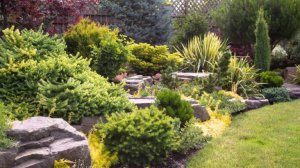
Design is as important as science. A balanced mix of boulders, pebbles, and plants creates a natural, appealing look. Avoid overloading with rocks or plants; instead, use groupings of three to mimic organic patterns. This rule of three helps achieve a wild yet cohesive appearance that blends with the surrounding landscape.
Plant Selection and Rock Types
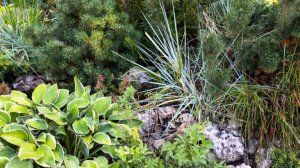
Choosing the right plants is crucial. Sun-loving perennials that form mounds or mats, such as Delosperma, Sedum, and Sempervivum, are excellent choices. Upright perennials like Achillea, Aquilegia, and Salvia add vertical interest, while hardy bulbs like Crocus and Narcissus provide early spring color. Woody shrubs such as Calluna and Hebe can also thrive in rock gardens.
When selecting rocks, consistency is key. Using a single type of rock, or two similar types, creates a cohesive design. Mixing different materials can result in clashing colors and textures. Local landscaping suppliers often carry a variety of boulders and pebbles, so choose stones that complement your region's natural landscape.
Maintenance and Watering
Bare soil is a common mistake in rock gardens. Mulching with pebbles or gravel not only fits the aesthetic but also helps retain moisture and suppress weeds. Unlike organic mulches, stone mulches do not decompose and are ideal for rockeries.
Weeds can quickly take over if left unchecked. Regular inspection—every one to two weeks—allows you to pull young weeds before they establish. If weeds have already flowered, remove their seed heads to prevent further spread.
Watering is a delicate balance. Newly planted rock gardens need regular irrigation in their first year, especially during dry spells. In the second year, plants require less water but still need help during heat waves. By the third year, established plants should be drought-tolerant and rarely need extra watering. Overwatering can lead to yellow leaves, slow growth, and root rot, so it's essential to let the soil dry out between waterings.
By avoiding these common mistakes, you can create a rock garden that is both beautiful and low-maintenance, providing years of enjoyment.