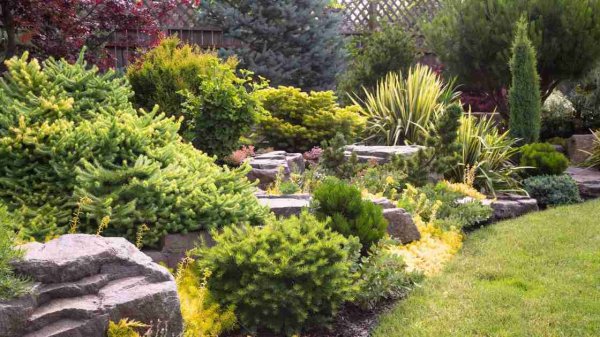
When winter strips deciduous plants of their leaves, gardens often lose their visual anchor. Evergreens, however, maintain their foliage and provide a steady backdrop of color and form. A well-planned landscape incorporates these plants to ensure year-round appeal, from the deep blues of conifers to the bright berries of groundcovers.
According to horticultural experts, evergreens serve multiple roles: they act as focal points, unify garden beds, and offer habitat for wildlife. Their foliage comes in a range of hues, including blue-green, forest green, and gold, and some varieties even change color with the seasons. Flowers, berries, and cones add further interest, while variegated leaves bring a splash of pattern.
Groundcovers: Beauty and Function
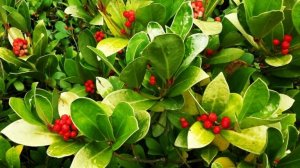
Groundcovers are practical additions that soften edges, suppress weeds, and stabilize soil. Bearberry (Arctostaphylos uva-ursi) is a hardy, broadleaf creeper that thrives in dry, cool climates. It produces pinkish-white blossoms in summer, followed by red drupes that persist into fall. Its leaves develop a bronze tinge in winter, adding subtle color. This North American native is ideal for slopes, walls, and small garden infills.
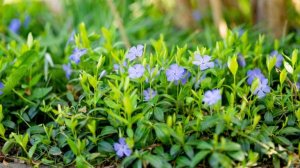
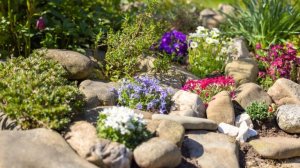
Creeping phlox (Phlox stolonifera) forms a dense mat of semi-evergreen foliage and bursts into purple-blue flowers in spring. It adapts to rocky areas and erosion-prone zones, making it a versatile choice for many gardens. Wintergreen (Gaultheria procumbens) is another dwarf spreader, offering scarlet berries and bronzy-red leaves in winter. Its minty-scented foliage and white bell flowers attract birds and wildlife. This plant has received the Royal Horticultural Society's Award of Garden Merit.
Perennials: Long-Lasting Color
Perennials are workhorses in the garden, providing foliage contrast and supporting pollinators. Hellebores (Helleborus orientalis), also known as lenten roses, bloom in late winter with elegant nodding flowers in shades of white, blush, and wine red. They prefer woodland settings with well-drained soil and can colonize slowly under canopy cover.
Coral bells (Heuchera spp.) are prized for their mottled leaves in berry purple or fiery orange, and they send up delicate flower sprays in summer. They are semi-evergreen and thrive in organically rich soil with morning sun. Hardy geraniums (Geranium spp.) offer softly mounding foliage and, in the case of 'Rozanne', a long bloom period from spring to fall. This hybrid has won both the Perennial Plant of the Year award and the RHS Award of Garden Merit.
Shrubs: Structure and Drama
Shrubs anchor borders and foundations, and certain evergreens bring added color through new growth or variegation. Distylium 'Cinnamon Girl®' is a low-growing shrub with blue-green leaves and new growth that emerges in purple-red. It is more cold-tolerant than most, hardy to zone 6, and performs well in coastal and high-heat conditions.
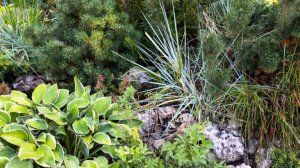
Abelia 'Miss Lemon' features creamy yellow leaves with green centers and clusters of light pink flowers from summer to frost. It is disease-resistant and withstands heat, humidity, and dry spells. Osmanthus 'Goshiki' is a slow-growing shrub with mottled leaves in green, cream, and gold, and it has earned an RHS Award of Garden Merit. It reaches about five feet in ten years.
Trees: The Garden's Backbone
Trees provide the largest structural impact. Colorado blue spruce 'Fat Albert' is a compact conifer with thick blue needles, growing slowly to 10-15 feet. It is hardy to zone 2 and can be shaped into topiaries. Magnolia 'Teddy Bear®' offers lemon-scented white blooms and velvety bronze leaf undersides, and it is suitable for large containers or landscapes. Cypress 'Carolina Sapphire' is a vigorous pyramidal tree with silvery blue needles, thriving in hot, dry conditions once established.
Container and Screening Ideas
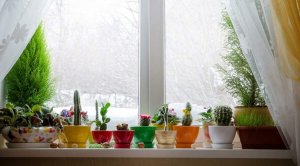
Containers are another way to feature evergreens. Daphne 'Aureomarginata' is a fragrant winter daphne with variegated leaves and deep purple-pink blossoms that appear in late winter. It can withstand temperatures to about 10°F (-12°C) and overwinters in sheltered spots. Dwarf threadleaf cypress 'Filifera Nana' offers thread-like foliage in blue-green, with golden varieties like 'Sungold' and 'Golden Mop' adding a bright accent. Juniper 'Blue Point' is a columnar shrub with blue needles and waxy berries, ideal as a focal point in containers or as a screen.
For privacy and screening, evergreens are effective at hiding utility boxes or unsightly views while adding beauty. Foundation plantings, which often blend evergreens with deciduous shrubs, tie the home to its landscape. Mixed hedges of boxwood, holly, osmanthus, and yew provide year-round structure and rhythm.
Ultimately, incorporating a variety of evergreens—from groundcovers to trees—ensures that gardens remain lively and well-composed throughout the year, offering both aesthetic pleasure and ecological benefits.