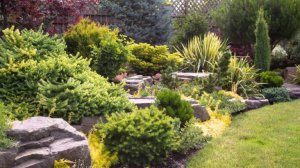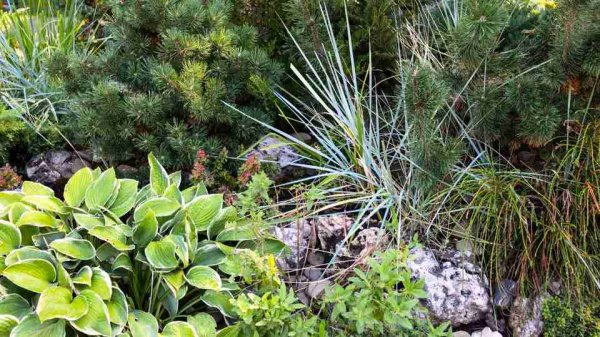
Landscaping beneath pine trees presents a unique set of challenges: dense shade, acidic soil, and a thick layer of fallen needles. Yet a diverse array of plants can not only survive but flourish in these conditions, transforming a barren patch into a vibrant woodland garden. From native wildflowers to ornamental grasses and evergreen shrubs, these 23 species are well-adapted to the dry, well-drained, and sometimes drought-prone environment that pines create.
Pine trees have shallow, spreading root systems that make digging difficult, and their constant dropping of needles and cones can smother less resilient plants. However, the key to success lies in choosing species that share the pine's preference for acidic, well-drained soil and tolerate partial to full shade. Many of these plants are native to North American woodlands, where they naturally grow as understory companions to pines and hardwoods.
Native Shrubs and Small Trees
For structure and year-round interest, consider native shrubs like American beautyberry (Callicarpa americana), which produces clusters of bright pinkish-purple berries in fall that attract birds. This versatile shrub grows 3–8 feet tall and thrives in full sun to partial shade (zones 6–10). Downy serviceberry (Amelanchier arborea) offers spring blossoms, summer berries, and vibrant fall foliage, reaching 15–25 feet (zones 4–9). Dwarf palmetto (Sabal minor) brings a semi-tropical feel with its broad evergreen fronds, while yaupon holly (Ilex vomitoria) provides smooth-edged leaves and red-orange berries, making it a useful privacy hedge (zones 7–9).
Highbush huckleberry (Vaccinium stamineum) and lowbush blueberry (Vaccinium angustifolium) are edible-fruit shrubs that also attract pollinators and birds. The latter stays compact (0.5–2 feet) and does well in containers (zones 2–8). Piedmont rhododendron (Rhododendron minus) offers glossy evergreen foliage and spring flowers that draw hummingbirds (zones 5–8). Witch hazel (Hamamelis virginiana) lights up the late fall and winter landscape with feathery yellow blossoms (zones 3–9).
Perennials and Wildflowers for Shade
Herbaceous perennials add color and texture. Blue star (Amsonia ciliata) produces pale blue spring flowers that attract butterflies (zones 5–9). Columbine (Aquilegia spp.) blooms in early to mid-spring, drawing early hummingbirds (zones 3–8). Foam flower (Tiarella cordifolia) forms a low ground cover with white flower spikes and spreads slowly via rhizomes (zones 3–8). Hellebore (Helleborus spp.), also known as Lenten rose, offers evergreen foliage and nodding winter blooms in pink and creamy white (zones 5–8). Jack in the pulpit (Arisaema triphyllum) is a unique native with hooded flowers and bright red berries (zones 4–9). Solomon's seal (Polygonatum biflorum) features arching stems with bell-like flowers (zones 3–9). White wood aster (Eurybia divaricata) blooms late in the season with daisy-like flowers and serves as a host plant for pearl crescent butterflies (zones 3–8).
Ferns, Grasses, and Ground Covers
Ferns are natural companions for pines. Christmas fern (Polystichum acrostichoides) is evergreen and spreads gently (zones 3–9). Southern lady fern (Athyrium asplenioides) has showy, compound fronds that unfurl in spring (zones 5–9). Western bracken fern (Pteridium aquilinum) forms dense, lush patches over time (zones 3–10).
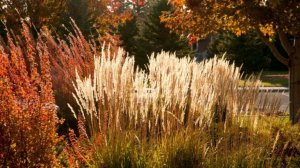
For grassy texture, Carolina wiregrass (Aristida stricta) is specially adapted to coastal pinewoods, with wiry foliage that sways in the wind (zones 8–10). Pennsylvania sedge (Carex pensylvanica) is a low, clumping sedge that can serve as a turf substitute in shade (zones 3–8).
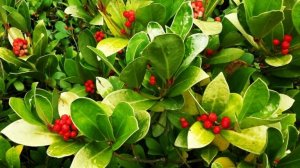
Ground covers include partridge berry (Mitchella repens), a creeping evergreen with red berries (zones 3–8), and little brown jug (Asarum virginicum), a native ginger with leathery, heart-shaped leaves (zones 6–8). Hosta (Hosta spp.) is a popular choice for its large, colorful leaves and summer blooms that attract hummingbirds (zones 3–9).
Practical Tips for Gardening Under Pines
Gardening under pines often requires working around dense roots. Instead of cultivating the entire area, plant in patches where soil is accessible and let plants spread naturally. Raised beds or containers can be used to create ideal soil conditions, though vegetables are not recommended; focus on shade-tolerant ornamentals.
Pine needles should be left in place as a natural mulch, but rake them off low-growing plants to ensure they receive enough sunlight. The needles help retain soil moisture and suppress weeds, reducing maintenance. With the right plant choices and a little patience, the area under pine trees can become a lush, wildlife-friendly retreat.