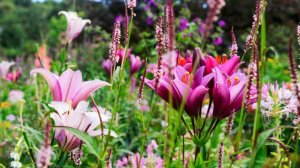
Gardeners aiming for a colorful spring display should consider planting bulbs in the fall, a practice that aligns with the natural growth cycle of many flowering plants. The combination of cooling air and still-warm soil in autumn encourages root development before winter dormancy, setting the stage for robust growth when temperatures rise.
Fall planting allows bulbs to establish a strong root system without producing foliage that would die in winter. This period of cold dormancy is crucial for triggering blooms in many species. Bulbs planted in spring often miss this necessary cold conditioning, leading to poor performance or no flowers at all.
Timing by Region
The ideal planting time varies by climate, with the key being to allow six to eight weeks for root establishment before the ground freezes. Gardeners should wait until nighttime temperatures consistently drop below 60°F (16°C). In zones 3-5, late September to early October is recommended; zones 6-7 should aim for October; and zones 8-10 can plant from November through December.
Location and Sunlight
Most bulbs thrive in at least partial sun, with full sun promoting stronger stems and larger blooms. However, since these plants prefer cooler conditions, morning sun is often better than afternoon exposure, especially in warmer climates. A spot that receives six or more hours of morning sun followed by afternoon shade is ideal in hot regions.
Choosing Bulbs for Your Climate
Some bulbs require more cold exposure than others. For instance, tulips and crocuses need colder winters and may struggle in warmer zones, while daffodils are more heat-tolerant. In mild areas, gardeners can chill bulbs in the refrigerator over winter and plant them in spring to simulate the needed cold period.
Soil Preparation and Planting Depth
Bulbs prefer loose, well-draining soil to prevent rot. Clear the area of weeds and debris, loosen the soil to a depth of 8-12 inches, and mix in organic matter like compost or leaf mold to improve texture and fertility. Most bulbs prefer slightly acidic soil, so a fall soil test can help determine if amendments are needed.
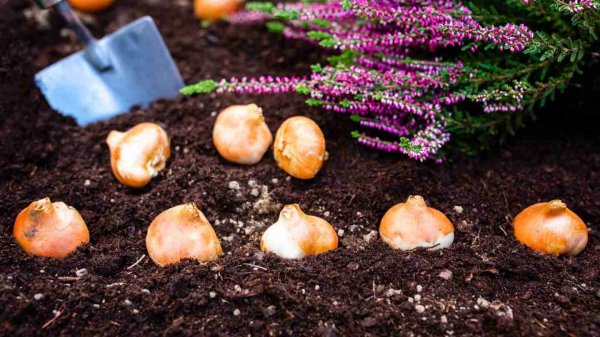
Plant bulbs at a depth of two to three times their height. For example, a two-inch tulip bulb should be planted four to six inches deep, while smaller bulbs like crocuses can be planted three to four inches deep. Space large bulbs four to six inches apart, and smaller ones two to three inches apart. For a natural look, plant in drifts or clusters rather than straight rows.
Positioning and Aftercare
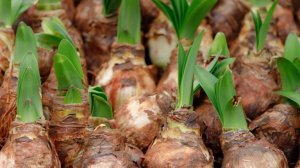
Place bulbs with the pointed tip facing upward and the flat base downward. After planting, cover loosely with soil without compacting it, then water thoroughly to eliminate air pockets. Keep the soil evenly moist but not soggy, reducing watering once the ground freezes. A two to three-inch layer of organic mulch helps insulate the soil, moderate temperature swings, and prevent shallow bulbs from heaving out of the ground during freeze-thaw cycles.
Following these guidelines can help ensure a successful spring bloom, rewarding the effort with a vibrant garden display.