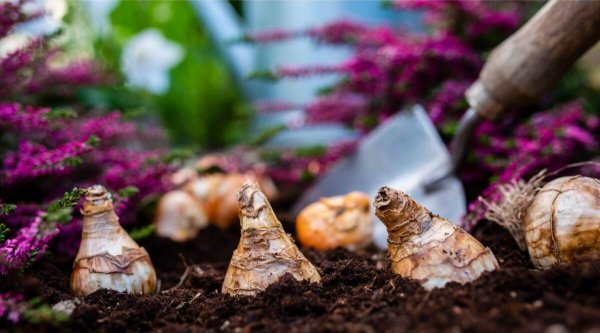
Gardeners who delay planting spring-flowering bulbs risk missing the narrow window that ensures robust blooms. The key is soil temperature, not the calendar, according to horticultural guidance. Bulbs such as tulips, daffodils, and hyacinths need a period of cold to trigger their growth cycle, and planting them six weeks before the ground freezes is the standard rule.
In regions where hard freezes arrive early, the planting window can close as soon as early September. Gardeners in warmer zones, such as zone 8, may have until October, but even there, a sudden cold snap can damage unprotected plants. The ideal soil temperature for planting is between 40°F and 50°F; if the soil is warmer, bulbs may sprout prematurely and rot.
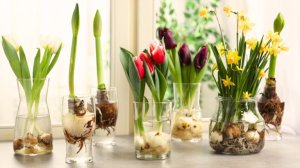
For those who miss the deadline, cold stratification offers a second chance. This process mimics winter by chilling bulbs in a refrigerator, allowing them to break dormancy artificially. The method also enables gardeners to force blooms indoors for holidays or early spring displays.
Timing by Region
Gardeners in colder climates—north of zone 4—should aim to plant in early September, as the ground may freeze by mid-October. In zones 5 through 7, late September to early October is typical, with the ground freezing six to eight weeks after soil temperatures drop to 50°F. Warmer zones, like zone 8, can wait until October, but monitoring the forecast is essential.
To check soil temperature, dig a few inches down and feel the soil. If it feels warm, delay planting. Air temperatures consistently in the 40s and 50s for two weeks usually signal the right time.
Cold Stratification Steps
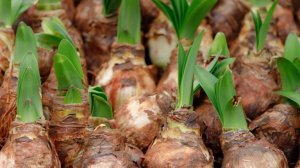
To stratify bulbs, first clean them thoroughly to prevent fungal issues. Rinse off soil, let them dry for two to three days, then wrap them in paper or place them in breathable bags. Avoid plastic, which traps moisture and causes rot. Store them in the refrigerator, away from fruit, as ethylene gas can reduce blooming.
Chill times vary by species. Early bloomers like snowdrops need three to four months, while crocus requires 12 to 16 weeks. Tulips need 12 to 14 weeks, and daffodils 10 to 14. Some bulbs, such as allium and bearded iris, require no chilling at all. Gardeners should mark the start date and inspect bulbs every two to three weeks for signs of rot or drying.
Why This Matters
Proper timing and stratification ensure that bulbs survive winter and bloom vigorously in spring. For those who missed the fall planting window, cold stratification is a viable solution, allowing bulbs to be planted as soon as the ground thaws. This approach also opens the door to forcing blooms indoors, a technique used commercially to supply flowers for holidays.
Ultimately, understanding your climate and the specific needs of each bulb type is the key to a successful spring garden. Whether you plant on schedule or rescue bulbs late, the effort pays off with a colorful display.