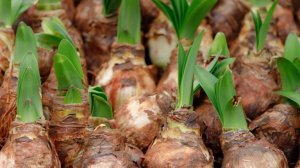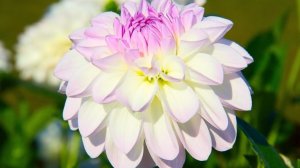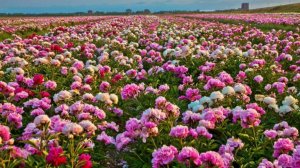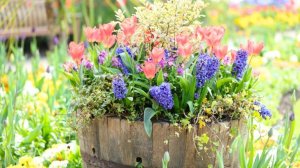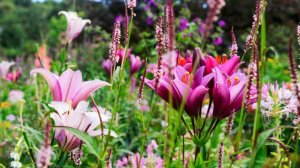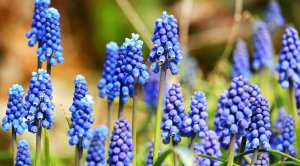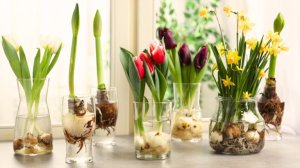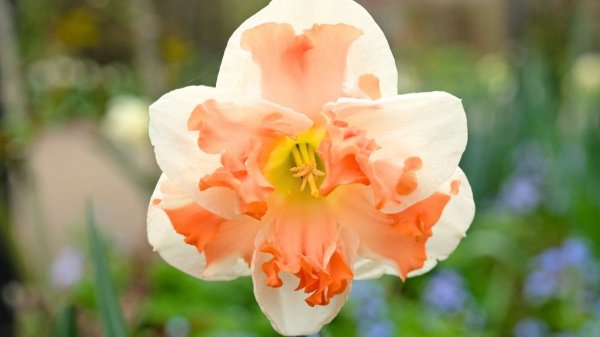
As autumn arrives and sweater weather sets in, gardeners have a prime opportunity to plant bulbs that will burst into bloom come spring. The combination of warm soil, cooler air, and ample moisture creates ideal conditions for bulbs to establish strong roots before the ground freezes. For those seeking to move beyond the ordinary, a range of uncommon varieties offers unique colors, forms, and fragrances that can transform a garden into a personal showcase.
Among the most eye-catching options are parrot tulips, known for their heavily ruffled and textured petals. The ‘Vovos’ variety, a member of the Tulipa x gesneriana Parrot Group, stands out with lavender and apricot blooms accented by gold. Reaching about 16 inches in height, it thrives in full sun to partial shade and is hardy in zones 3 through 8. Planting at a depth of 12 centimeters in fertile, well-draining soil will yield buds by mid-spring.
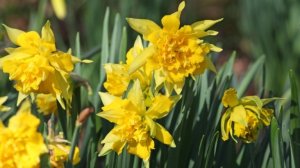
Daffodils also offer surprising twists on classic forms. The ‘Pipit’ jonquil (Narcissus jonquilla ‘Pipit’) reverses the typical color pattern, featuring yellow petals and a pure white cup that extends into a sparkling starburst. This sturdy perennial grows 8 to 14 inches tall and is hardy in zones 3 through 10. Each stem carries a single, fragrant blossom, and the plants will gradually form colonies if left undisturbed.
Tall Statements and Shade-Loving Gems
For vertical drama, Sicilian honey garlic (Nectaroscordum siculum) towers up to four feet, bearing umbels of rosy pink and white blossoms on slender stems. This Mediterranean native is drought tolerant and deer-resistant, thanks to its potent garlic scent, while still attracting bees. Hardy in zones 5 through 10, it thrives in full sun to partial shade.
In shaded areas, the dog’s tooth violet (Erythronium dens-canis ‘Purple King’) offers orchid-purple petals with yellow and white centers, set against mottled red and green foliage. This low-growing plant, reaching only 4 to 10 inches, forms charming colonies under trees and is hardy in zones 3 through 9. Partial shade is preferred.
Another shade-tolerant option is the Lenten rose (Helleborus orientalis ‘New York Night’), which produces dark red, almost black blooms with bright yellow eyes. Its evergreen foliage persists through winter in zones 4 through 9, and it thrives with minimal morning sun and afternoon shade.
Warm-Climate Favorites and Indoor Forcing
Gardeners in warmer regions can plant ranunculus and amaryllis in the fall. Ranunculus ‘Purple Jean’ (Ranunculus amandine) offers bicolor blooms with exceptionally dense petals, growing 12 to 15 inches tall in full sun. Hardy in zones 8 through 11, it rewards with a long blooming season starting in early spring. Amaryllis ‘Double Dream’ (Hippeastrum) features seven-inch, rose-red double flowers with darker striping and white tips; it can be forced indoors for holiday blooms or planted outdoors in zones 8 through 11.
For those who enjoy cut flowers, the foxtail lily ‘Romance’ (Eremurus) produces soft peach spikes with orange-tipped stamens, reaching up to six feet. Hardy in zones 5 through 8, it is a magnet for pollinators and makes a dramatic statement in arrangements. Similarly, the Siberian iris ‘I See Stars’ (Iris sibirica) offers deep violet blooms with a bright white star center, ideal for cutting and lasting up to a week in a vase.
Finally, the hyacinth ‘Woodstock’ (Hyacinthus orientalis) provides rich plum-colored, highly fragrant spikes, growing 6 to 12 inches tall in zones 4 through 8. Note that hyacinths can cause skin irritation, so gloves are recommended when handling the bulbs.
Whether aiming for a goth-inspired palette with near-black irises or a fairy-tale feel with gold and coral fritillarias, autumn planting opens a world of rare possibilities. With proper siting and care, these uncommon bulbs will reward gardeners with a spring display that is anything but ordinary.