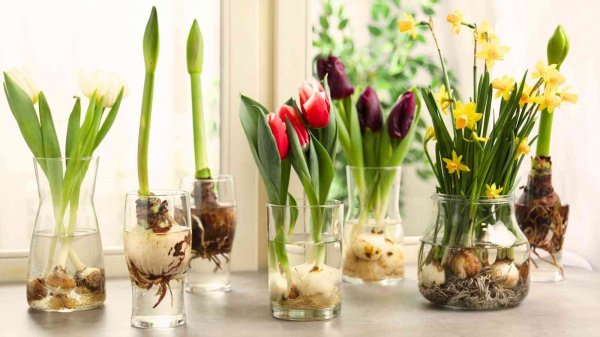
November is the time to prepare bulbs for indoor winter flowering, a practice that brings spring-like color to holiday tables and gifts. By simulating winter chill and then providing warmth, gardeners can coax amaryllis, hyacinths, daffodils, tulips, crocus, and snowdrops into bloom weeks ahead of their natural schedule.
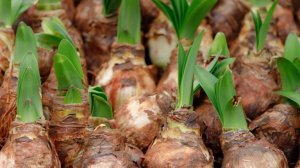
Forcing, as the technique is known, is not as complex as it sounds. It simply involves giving bulbs a period of cold—typically 10 or more weeks at 35-45°F (2-7°C)—followed by warm, bright conditions that trigger growth. Many gardeners opt for pre-chilled bulbs, which skip the refrigeration step and flower faster, making them ideal for holiday timing.
Choosing the Right Bulbs
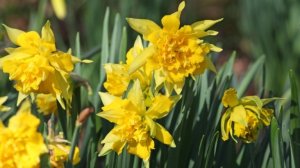
Popular choices for forcing include amaryllis (Hippeastrum), which produces large, showy blooms on tall stalks, and paperwhites (Narcissus tazetta), known for their fragrant clusters of white flowers. Daffodils, tulips, hyacinths, crocus, and snowdrops also respond well to forcing, each offering unique colors and forms.
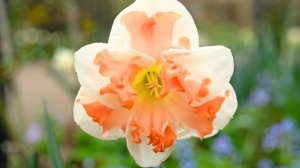
Among the recommended varieties are 'Red Lion' amaryllis, a crimson-flowered cultivar that holds a Royal Horticultural Society Award of Garden Merit. 'Replete' daffodil features double blooms in soft white and peach, while 'Carnegie' hyacinth offers densely packed white florets with a sweet scent. For a touch of elegance, 'Mount Tacoma' tulip, a 1924 heirloom, presents double creamy white petals.
Planting and Care Tips
Bulbs can be rooted in a variety of containers, from shallow dishes of pebbles and water to bulb vases or small pots. The key is to keep the base of the bulb in contact with water or moist soil, but avoid submerging it fully, as excess moisture can cause rot. Gravel or moss can help position bulbs and conceal the growing medium.
After planting, place containers in a cool, dark area for about two weeks. Once new growth appears, move them to a warmer, brighter spot to encourage budding. To prolong the display, keep flowers out of direct sunlight and away from drafts, and consider cooler nighttime temperatures to extend bloom life.
Timing for Holiday Blooms
For amaryllis, planting two weeks before Thanksgiving typically results in flowers around the winter holidays, as they take six to eight weeks to mature. Paperwhites are quicker, blooming in two to three weeks, while crocus and tulips may take a bit longer. Snowdrops, such as 'Viridi-apice', flower about a month after planting post-chill.
For those new to forcing, starting with pre-chilled bulbs simplifies the process and ensures quicker results. Whether given as gifts or used as festive decor, forced bulbs offer a rewarding way to bring nature indoors during the colder months.