Selecting the right flowering bulbs for your garden involves more than just picking colors you like; it requires matching each plant to the sunlight your space receives. Whether you have a sun-drenched border or a shaded woodland corner, there are bulbs that will thrive. This guide covers 21 popular bulbs, organized by their preferred light exposure, to help you make informed choices for a vibrant display in the coming seasons.
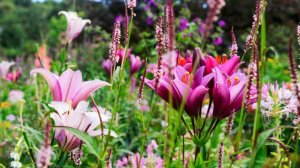
Full sun, typically defined as six or more hours of direct sunlight per day, is the ideal condition for many flowering plants. Among the bulbs that perform best in these bright spots are Asiatic lilies (Lilium spp.), known for their four-to-six-inch flowers in a wide range of colors and their excellent vase life. These lilies, hardy in zones 3-8, prefer well-drained soil and should be planted three times deeper than the bulb's height. Another sun-lover is the blazing star (Liatris spp.), a member of the Asteraceae family that produces tall, spiky inflorescences in purple, pink, or white, attracting butterflies, bees, and hummingbirds. While easy to care for, blazing stars may need staking if grown in rich soil.
For a bold tropical statement, consider canna lilies (Canna spp.), which thrive in full sun and warm climates (zones 7-10). Their striking, banana-like leaves and large blooms can reach up to eight feet in a single season. In cooler regions, cannas are frost-tender and must be stored indoors over winter. Similarly, calla lilies (Zantedeschia spp.) are warm-climate plants (zones 8-10) that flourish in full sun in cooler areas but benefit from afternoon shade in hotter climates. Their unique, vase-shaped flowers are a favorite for cutting gardens and weddings.
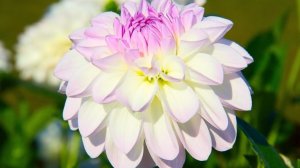
Dahlias (Dahlia spp.) are another sun-loving option, though they require ample water and are not low-maintenance. These tubers, hardy in zones 8-10, can be treated as perennials in warm regions or dug up and stored in colder ones. Foxtail lilies (Eremurus robustus) are impressive, tall plants that can grow up to eight feet, producing colorful spikes in yellow, orange, pink, and white. They need full sun and well-drained soil, and they dislike being disturbed once planted. Gladiolus (Gladiolus spp.) are related to irises and are best planted in groups for a dramatic display. Their tall stems bear large blooms that make excellent cut flowers, lasting up to two weeks in a vase. They are perennial in zones 8-11 but can be grown as annuals in cooler zones.
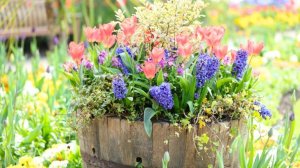
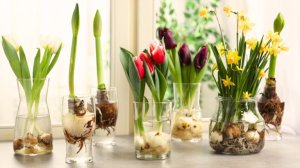
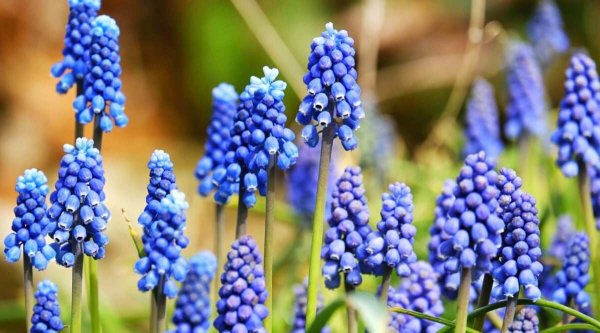
Other sun-loving bulbs include grape hyacinths (Muscari spp.), which naturalize easily and are perfect for containers if you want to control their spread; hyacinths (Hyacinthus spp.), prized for their fragrant flowers and tall stems when planted in full sun; and tulips (Tulipa spp.), which grow straighter and bloom better in full sun, with stems that may become weak in shade.
Bulbs for Shaded Gardens
For areas with partial shade, many bulbs thrive with some protection from the hot afternoon sun. Camassia (Camassia spp.), also known as wild hyacinth, produces large panicles of blue, purple, pink, or white flowers in late spring and prefers moist, well-drained soil. Checkered lilies (Fritillaria meleagris) are less common but feature distinctive checkered flowers in reddish-brown, purple, or white; they are best transplanted while dormant. Common bluebells (Hyacinthoides non-scripta) are woodland plants that enjoy early spring sun but need shade as temperatures rise, making them ideal under a tree canopy. Crocuses (Crocus spp.) are early bloomers that can push through snow, offering a welcome sight for pollinators. Glory of the snow (Chinodoxa forbesii) appears very early in spring, with white flowers tipped in blue, and can be interspersed in lawns. Lenten roses (Helleborus orientalis) are winter bloomers with excellent shade tolerance, and their flowers last for months. Lily of the valley (Convallaria majalis) is a sweet-smelling ground cover that thrives in partial to full shade and was a favorite of Queen Elizabeth II. Red spider lilies (Lycoris radiata) add dramatic red blooms in summer and prefer partial shade, spreading gradually once established. Siberian squill (Scilla siberica) offers bright blue flowers in early spring but can be invasive in some areas. Snowdrops (Galanthus) are among the earliest bloomers, surprisingly cold-tolerant, and best planted beneath trees. Virginia spring beauty (Claytonia virginica) is native to the central and eastern U.S., thriving in dappled light, with edible bulbs that taste like chestnuts.
Choosing bulbs that match your garden's light conditions is the first step toward a successful and colorful display. Whether your space is bathed in sun or nestled in shade, there are bulbs that will flourish with the right care and placement.