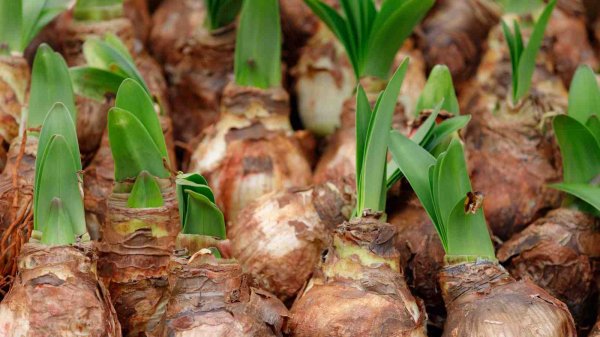
Gardeners seeking a splash of winter color can turn to amaryllis bulbs, which can be coaxed into bloom indoors using nothing more than water and a suitable vessel. This technique, known as forcing, mimics the natural warming that triggers flowering after a bulb's dormancy period. With proper care, amaryllis can flower within six to eight weeks, making them a popular choice for holiday displays or staggered blooms through early summer.
Amaryllis bulbs are widely available in fall, either individually, in kits, or pre-potted. The grower typically provides the necessary cooling period, so the bulbs are ready to start growing once placed in water. The key is to ensure the base of the bulb contacts the liquid or moist soil, which encourages rooting and subsequent leaf and flower development.
Choosing the Right Container
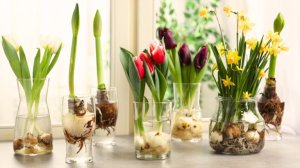
Almost any watertight container can serve as a home for a forcing amaryllis, but certain types work better than others. Bulb vases are specifically designed to hold the bulb at the mouth while roots reach into the water below. Clear glass jars or bowls allow gardeners to watch root growth and monitor water levels easily. For a more decorative approach, a shallow dish filled with pebbles can stabilize the bulb while keeping the base just above the water line. When selecting a vessel, ensure it is sturdy enough to support the tall stems and heavy blooms that amaryllis produce.
Before planting, it is essential to clean all materials thoroughly. Wash the container in hot, soapy water to eliminate bacteria that could harm new roots. If using pebbles or gravel, rinse them as well, especially if they were collected outdoors or reused from previous projects.
Positioning the Bulb for Success
The most critical step in water forcing is positioning the bulb correctly. Only the very base of the bulb should touch the water; submerging the entire bulb can lead to rot. A common method is to fill the container with at least three inches of pebbles, place the bulb on top, and then add water until it just reaches the lowest point of the root zone—ideally a mere millimeter below the bulb itself. This setup allows roots to grow into the water while keeping the bulb dry.
Light and temperature also play vital roles. Amaryllis thrives in bright, indirect light, with a south-facing window offering the most winter sun. Ideal temperatures range from 65 to 70°F (18-21°C) during growth, but cooler conditions of 60-65°F (16-18°C) can prolong the blooming period. Moving the plant to a cooler spot at night can help extend the display.
Ongoing Care and Post-Bloom Maintenance
Regularly check the water level and top off with room-temperature water as needed. If the water becomes cloudy or develops an odor, replace it entirely to maintain oxygen levels. Rotate the container every few days to prevent stems from leaning toward the light. Once buds open, keep the plant out of direct sunlight and away from drafts, such as heater vents or open doors, to prolong the flowers.
After flowering, remove spent blossoms to prevent seed formation, which drains energy from the bulb. The stem can be cut back to one to two inches above the bulb once it yellows and withers. Leave the foliage intact, as it photosynthesizes and stores energy for future growth. Only trim leaves after they turn yellow and brown.
For gardeners hoping to rebloom their amaryllis, water-forced bulbs may not flower again reliably. To attempt a second bloom, pot the bulb in well-draining soil and care for it as a houseplant until after the last frost. Then, move it outdoors for the summer and provide a cool, dry dormancy period of eight to ten weeks at temperatures between 50-55°F (10-13°C), starting in late September for holiday blooms. After this rest, resume watering and gradually acclimate the plant to brighter, warmer conditions.
In USDA zones 8-11, amaryllis can perennialize outdoors, offering years of color. In cooler zones, they may overwinter with a thick layer of mulch. With careful attention to water, light, and temperature, gardeners can enjoy the striking beauty of amaryllis indoors, even in the depths of winter.