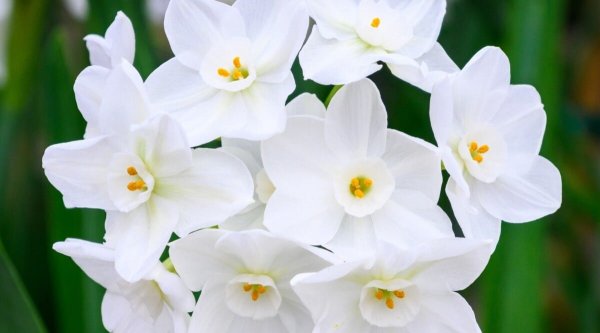
As winter settles in and outdoor gardening takes a back seat, many enthusiasts find themselves missing the touch of green. Paperwhite bulbs offer a straightforward solution, bringing a burst of life to kitchen tables and living spaces. These indoor daffodils, part of the Narcissus genus, can be coaxed into bloom with minimal effort, often flowering within three weeks of planting.
Known for their rapid growth in warm indoor conditions, paperwhites have become a seasonal favorite, frequently appearing around the holidays. Their ease of cultivation makes them a popular choice for gifts, whether for a hostess, a teacher, or a fellow flower lover. Local nurseries typically stock these bulbs during the winter months, making them an accessible project for anyone looking to bridge the gap between fall cleanup and spring planting.
How to Force Paperwhite Bulbs
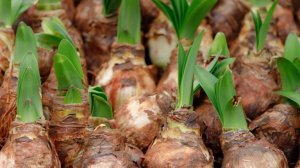
The forcing process, which tricks the bulbs into thinking spring has arrived, is remarkably simple and can be done in either soil or water. For soil planting, any container with good drainage works, using a gravelly or sandy mix to prevent rot. The water method requires a watertight vessel and a layer of stones or glass marbles. The bulb sits atop the pebbles, with only the base touching the water, ensuring the bulb itself stays dry to avoid decay.
After planting, bulbs should be kept in lower light for about a week to encourage root development. Following this initial period, they can be moved to a sunny spot receiving roughly six hours of sunlight daily. At this stage, gardeners can also employ a technique known as "pickling"—using a diluted alcohol solution—to promote shorter, sturdier stems that are less likely to flop.
Popular Varieties for Indoor Bloom
Several varieties of paperwhites are available, each with distinct characteristics in fragrance, appearance, and growth habits. The 'Ziva' variety is the most widely forced, celebrated for its potent, spicy, musky perfume and blue-green foliage. Its white flowers, with a subtle golden glow, are abundant, though its long stems often require pickling for support.
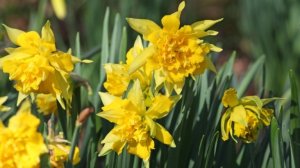
For those who prefer a sweeter scent, 'Grand Soleil d’Or' offers a fruity fragrance and deep yellow blooms with orange centers. This hybrid tends to stay shorter naturally, making it a good alternative to the taller 'Ziva'. Another option, 'Ariel', is among the fastest to bloom, producing large flower heads with 14 to 18 white blossoms. However, its rapid growth and heavy blooms necessitate staking or pickling to prevent drooping.
If a lighter fragrance is desired, 'Inbal' provides a sweeter, less musky scent while maintaining the classic paperwhite look. It features stronger stems and can flower in as little as two weeks when planted later in the season. 'Erlicheer' stands out with its double-petaled, creamy white flowers, though its slender stems and heavy clusters also benefit from pickling.
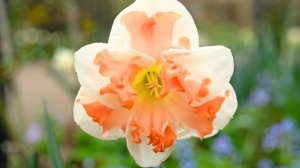
For a more traditional daffodil appearance, 'Wintersun' displays white outer petals with bright yellow centers and orange stamens. Its smaller flowers form large, spherical heads, and its fragrance is lighter and sweeter than the musky types. Similarly, 'Chinese Sacred Lily' resembles 'Wintersun' with snow-white petals and a vibrant yellow cup. This variety is noted for its strong, sweet scent reminiscent of spiced oranges, and it holds a special cultural significance: if it blooms on Chinese New Year, it is said to bring a year of good fortune.
With such a range of colors, fragrances, and growth habits, paperwhites offer a versatile way to enjoy indoor gardening during the colder months. Whether used as a personal project or a thoughtful gift, these bulbs provide a simple and rewarding connection to the garden when it lies dormant outside.