Planting trees in containers offers a unique opportunity to bring vertical interest and a touch of nature to balconies, patios, and indoor spaces. However, unlike typical potted plants, trees require careful consideration of their long-term needs. From choosing a species that thrives in confinement to ensuring proper drainage and soil structure, the process demands attention to detail. This guide outlines the critical steps, based on horticultural best practices, to help gardeners establish healthy container-grown trees.
The first and most crucial decision is selecting the right tree. While technically any tree can be potted, those with expansive root systems or towering heights will struggle in a confined space, leading to stunted growth or poor fruit production. For long-term success, opt for shorter, compact varieties, often referred to as dwarf cultivars, which are naturally suited to container life. For instance, if magnolias are your preference, choose a cultivar that matures at a manageable height rather than one that naturally reaches over 50 feet. Indoor gardeners must also factor in light availability; species like ficuses that tolerate bright indirect light are better choices than those requiring full sun.
Choosing the Right Container and Location
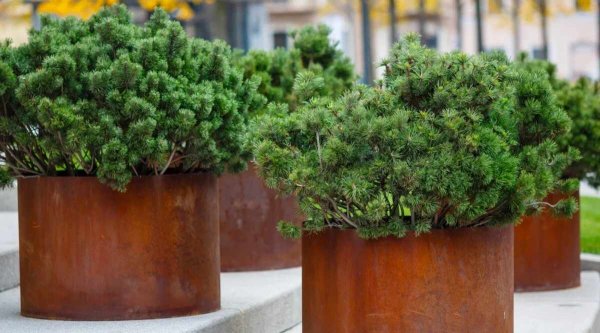
Container selection is equally vital, with drainage being the paramount concern. A pot without adequate drainage holes, no matter how attractive, will lead to waterlogged soil and root rot. The size of the container should accommodate the tree's mature root system, allowing for growth without being so large that it overwhelms the tree. Materials like terracotta or fabric bags are excellent for wicking away excess moisture, and considering the pot's longevity is wise, as trees are not repotted as frequently as smaller plants.
Location is another factor often overlooked. Potted trees, especially in large, dense containers, can become extremely heavy. It is advisable to position the pot before filling it with soil, as moving a fully planted container can be a logistical challenge. For indoor trees, consider planting outdoors first to minimize mess, then moving the pot inside, ensuring you have help and watering only after the pot is in its final spot to avoid unnecessary weight.
Soil, Planting, and Initial Care
Soil composition directly influences root health and overall tree vigor. Avoid using garden soil, which is too dense and may introduce pests or diseases. Instead, use a high-quality potting mix that balances moisture retention with good drainage. Adding compost can improve soil structure, while for indoor trees, incorporating perlite or bark helps prevent waterlogging. A balanced slow-release fertilizer mixed into the soil at planting time provides an initial nutrient boost, but it is crucial to follow the recommended dosage to avoid root damage.
When planting, the technique is as important as the materials. Before placing the tree in the new pot, gently tease apart any circling roots to encourage outward growth. The tree should be planted at the same depth as it was in its previous container; burying the trunk too deeply can cause rot. If the tree is top-heavy or in a windy spot, staking it at planting time provides necessary support. After planting, firm the soil around the base to eliminate air pockets and water thoroughly. This initial watering is critical to reduce transplant shock and help the roots establish. Finally, applying a layer of mulch to the soil surface helps retain moisture and regulate temperature, particularly for outdoor pots in sunny locations.
By following these steps, gardeners can create a thriving environment for their container trees, ensuring they remain a focal point for years to come.