Arbor Day, a holiday that began in Nebraska more than a century ago, has grown into a global celebration of tree planting. Each spring, communities and gardeners alike honor the day by adding trees to their landscapes, a gesture that supports the environment and future generations. For those ready to participate, choosing the right tree is the first step toward a successful planting.
The ideal tree depends on several factors: your region's climate, the available space, and whether you prioritize fruit, shade, or ornamental beauty. While Arbor Day falls in spring, it's wise to consider each tree's specific requirements, as some establish better when planted in fall, and all should be planted after the last frost.
Fruit Trees for Home Orchards
Apple trees are a classic choice for those dreaming of a home orchard. They offer both fruit and spring blossoms, but remember that cross-pollination requires planting at least two compatible varieties. Popular picks like 'Granny Smith,' 'Gala,' or 'Fuji' are reliable options, and pre-packaged pollination packs can simplify the process.
Cherry trees are another spring favorite, celebrated for their stunning flowers and, in some varieties, delicious fruit. 'Bing' and 'Black Tartarian' are sweet choices, but they need a certain number of chill hours to bear fruit, so match the variety to your climate zone. Like apples, planting two different cherry varieties boosts pollination and harvest. Cherries thrive in well-drained soil and full sun.
For warmer regions where apples and cherries struggle, citrus trees are an excellent alternative. Heat-loving and visually appealing, they offer fragrant blooms and fruits like oranges, lemons, kumquats, and grapefruits. Dwarf varieties, such as 'Meyer' lemon, are perfect for containers, allowing gardeners in colder zones to move them indoors for winter. In USDA Zone 8 and above, citrus can be planted directly in the ground.
Fig trees provide both fruit and ornamental value. Varieties like 'Brown Turkey' and 'Mission' are dependable for fruit production in sunny, well-drained spots. For indoor or container gardening, the fiddle leaf fig is a popular choice, along with Ficus benjamina and Ficus elastica, which can also be grown outdoors in partial shade. Keep in mind that many fig species can exceed 30 feet in their native habitats, so container planting helps manage size.
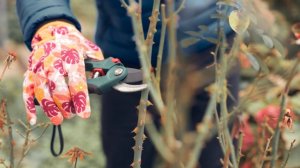
Pear trees are another fruit-bearing option, valued for their reliable harvest and kitchen versatility. 'Bartlett' is known for flavor, while 'Anjou' offers great texture. Like apples, pears need cross-pollination, so plant at least two compatible types. They are generally hardy and resistant to pests, but winter pruning, annual feeding, and monitoring are key to a good yield. Arbor Day is suitable for planting bare-root pears, which are typically set out in late winter or early spring.
Ornamental and Shade Trees
Birch trees bring texture and structure to any garden, with species like paper birch and river birch offering peeling bark that adds visual interest. While most birches prefer cooler regions, river birch is notably heat-tolerant. For smaller spaces, compact, shrubby varieties are available, and placing them where they can be seen from indoors ensures year-round enjoyment.
Cedar trees are imposing conifers that can reach 100 feet or more, with a cone-like shape that lends a Mediterranean feel. They are ideal for large properties, serving as windbreaks, tall hedges, or path liners. Once established, cedars require minimal care, needing only occasional trimming and extra water during dry spells.
Cypress trees, including Italian and Arizona cypress, are another structural choice for Mediterranean or formal gardens. Their upright form is perfect for lining paths or the back of beds. These trees are drought-tolerant once established and adapt to most soil types, though they dislike waterlogged conditions.
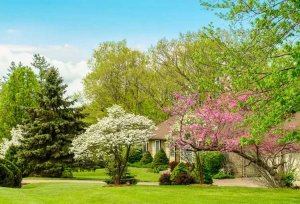
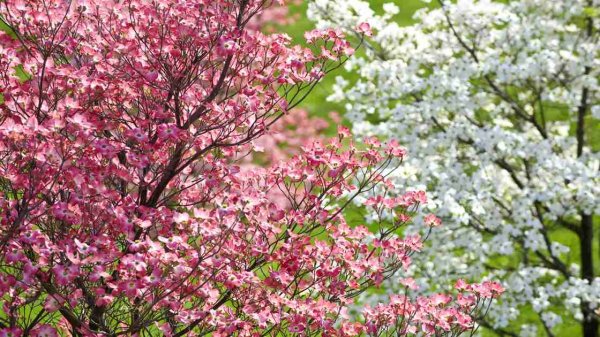
Dogwoods are celebrated for their seasonal display: spring blooms, summer foliage, and vibrant fall colors. They also attract birds, which feed on the berries, and provide shelter. Dogwoods prefer moist, well-drained soil and partial shade, especially in hotter climates.
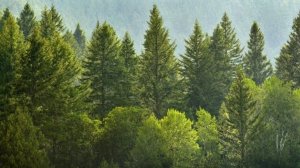
Fir trees offer a sense of calm with their stately presence and familiar scent. They thrive in cooler climates and higher altitudes, adapting to various well-drained soils. Full sun to partial shade is ideal, and once established, they are low-maintenance, needing only occasional watering during dry spells. Several fir species are also used as Christmas trees.
Magnolias are showstoppers when in bloom, with large, fragrant flowers in white, pink, or purple. They make excellent focal points near the home, but avoid planting too close to foundations. Species like the Southern magnolia and the compact star magnolia offer options for different spaces. Magnolias are adaptable, with some tolerating cooler climates, and their leaves and branching provide year-round interest.
Oaks are a long-term investment, growing slowly but rewarding patience with impressive size and shade. The Quercus genus includes hundreds of species, with about 90 native to the U.S. Native varieties like black oak and bur oak support local wildlife. Oaks prefer well-drained soil and full sun, and once mature, they are drought-resistant. They are best for larger landscapes where their broad canopies have room to spread.
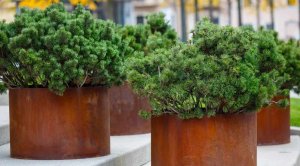
Pine trees are resilient and low-maintenance, thriving in a wide range of climates and soil types across the U.S. They provide shelter and food for wildlife, and their evergreen needles offer year-round color. Pines prefer full sun and well-drained soil but tolerate poor conditions once established. Pruning is minimal, mainly removing damaged branches.
Maple trees are beloved for their autumn foliage, ranging from sunny yellows to fiery reds. They also provide summer shade and winter structure. The diversity within the maple genus means there's a variety for nearly any garden size, and some smaller cultivars grow well in containers. Maples are also habitat and food sources for wildlife.
Spruce trees, with their classic conifer shape and dense branches, bring a forest feel to cooler climates. They are excellent for windbreaks and privacy screens, and their foliage offers shelter for birds. Spruces prefer full sun and well-drained soil, and they are low-maintenance, requiring only occasional watering and mulching. They also add a festive touch in winter.
Final Considerations
Planting a tree on Arbor Day is a meaningful act that benefits the environment and your garden. While trees take time to mature, the payoff—whether fruit, shade, or beauty—is well worth the wait. By selecting a species suited to your climate and space, you ensure a healthy start and a lasting contribution to your landscape.