As February unfolds, gardeners across many regions turn their attention to the dormant season's pruning tasks. While seed starting and planning dominate the month, it's also an opportune window for trimming a range of deciduous and evergreen species. Pruning during dormancy minimizes stress on plants and offers a clear view of their structure, making it easier to shape them and improve air circulation.
The benefits of winter pruning extend beyond aesthetics. It stimulates robust new growth in spring, helps maintain a strong framework, and allows plants to use nutrients more efficiently. However, not every plant appreciates a winter cut. Those that bloom on old wood should only be pruned after flowering to ensure they have time to develop buds. Here are 11 plants that welcome a February trim.
Roses and Wisteria
Roses are prime candidates for winter pruning. By February, they are fully dormant, which reduces stress. Gardeners should check for swelling buds and choose a mild day for the task. Remove dead or damaged branches, cut back long stems by one-third to one-half, and thin the interior to promote airflow and reduce fungal risks.
American wisteria (Wisteria frutescens) is a safe, non-invasive alternative to Japanese wisteria. Its leafless winter form makes it easy to see what you're doing. Trim long shoots back to three to five buds, remove dead wood, and make angled cuts to prevent water pooling. This keeps the vine manageable and encourages prolific flowering.
Fruit Trees and Shrubs
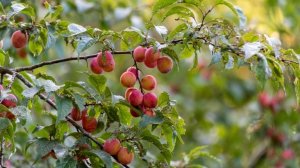
Apple trees (Malus domestica) require shaping for structural strength and fruit production. Winter pruning reduces cold damage and helps the tree conserve energy for spring growth. Cut off dead weight, thin the crown for light and airflow, and trim to the collar rather than flush with the trunk. Reduce the leader's height for easier harvesting.
Pear trees (Pyrus communis) benefit from similar care. Prune after the coldest weather, typically in February or March, when buds begin to swell. Remove suckers and waterspouts, eliminate crossing branches, and thin the interior. Maintain a central leader for a balanced shape.
Hardy hibiscus species vary in their pruning needs. H. coccineus and H. moscheutos die back to the ground; cut them to about six inches to mark their location. In warmer climates, fall pruning is fine, but late winter offers better cold protection. H. syriacus, or Rose of Sharon, does not die back; simply remove dead branches and tip back to a healthy bud.
Hydrangeas and Citrus
Panicle hydrangeas (Hydrangea paniculata) bloom on new wood, making late winter an ideal time to prune. For smaller plants, remove dead weight and lightly tip branches. Once they reach about two feet, you can prune more aggressively. Thin out spindly growth and cut back to a healthy bud.
Lemon and orange trees, both evergreen citrus species, should be pruned after harvest, typically between December and early March. If a late freeze threatens, delay pruning. Cut back about 20 percent of the canopy, removing low-lying branches to deter pests, and eliminate crossing or weak wood.
Evergreens and Ornamentals
Boxwoods (Buxus spp.) are resilient evergreens that benefit from a February trim. Remove dead wood, thin the center for air and light, and shape the exterior. They can tolerate hard pruning without lasting damage.
Ninebark (Physocarpus opulifolius) is a rose-family shrub with attractive foliage. Prune before dormancy ends to encourage healthy growth. Thin crowded areas, remove dead or diseased branches, and for overgrown specimens, a hard prune down to a few inches is tolerated.
Maple trees (Acer spp.) should be pruned in late winter, around January or February. Avoid pruning during very cold weather to prevent sap flow. Remove dead wood, thin the interior for circulation, and cut at the collar to promote healing. Pay attention to crossing branches that rub and weaken.
By following these guidelines, gardeners can set their plants up for a vigorous spring, ensuring both beauty and productivity in the months ahead.