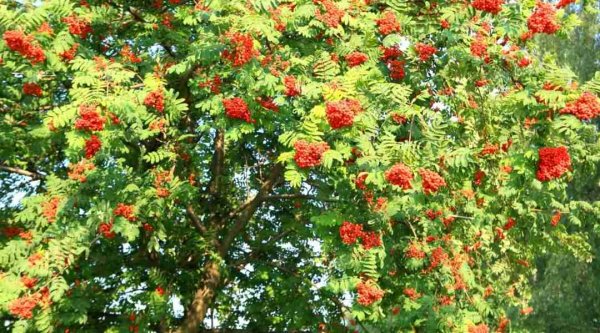
For gardeners in the cooler eastern United States and Canada, the American mountain ash (Sorbus americana) offers a compact, ornamental option that supports local wildlife. This native tree, also known as rowan or dogberry, thrives in USDA hardiness zones 2 through 6, where its white spring flowers, red berries, and golden-orange autumn foliage provide year-round interest.
Reaching 15 to 35 feet at maturity, the tree typically grows with a rounded, open crown, sometimes as a single trunk but often with a shrubby, multi-stemmed base. Its pinnately compound leaves resemble those of true ash trees, but it belongs to the rose family (Rosaceae), not the olive family (Oleaceae) that includes ashes.
Native Range and History
Wild populations of Sorbus americana extend from the Appalachian Mountains in Georgia north to Maine and into Nova Scotia and Newfoundland, with additional presence in Minnesota, Illinois, Michigan, and Pennsylvania. The tree favors moist, acidic soils in swamps, bogs, and rocky outcrops, and it is not recommended for hot, humid climates south of zone 6.
Cultivated as an ornamental since 1811, the species has a folklore-rich past. In 18th-century Europe, mountain ash was sometimes called “witchwood,” believed to ward off evil. Colonists in North America, finding the tree abundant, carried similar superstitions, viewing the five-pointed star on berry stalks as a sign of good luck.
Propagation and Planting
Gardeners can propagate American mountain ash from seeds, cuttings, or nursery transplants. Seed propagation involves harvesting ripe berries in early fall, extracting seeds, and planting them immediately or cold-stratifying for spring. Germination can be erratic, sometimes taking up to a year, so sowing generously is advised.
Semi-hardwood cuttings taken in spring or summer offer a faster route, with roots forming in four to six weeks. Nursery trees are available bare-root, balled-and-burlapped, or container-grown; the latter typically experiences less transplant shock.
Early spring, while the tree is dormant, is the optimal time for transplanting. Dig a hole three to four times the root ball's diameter, amend heavy clay with sand or peat moss, and ensure the base of the central stems sits above ground. Spacing should be at least 10 feet from other plants, with up to 30 feet allowed for maximum spread.
Care and Maintenance
American mountain ash prefers full sun to partial shade, needing at least six hours of sunlight for optimal flowering and berry production. It requires consistent moisture but not soggy soil; deep, infrequent watering is recommended. The tree is not a heavy feeder, and excessive fertilizer can invite pests and diseases.
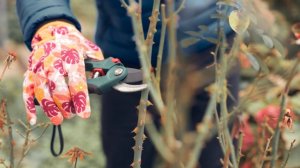
Minimal maintenance includes leaving fallen leaves to enrich the soil or adding them to compost. Prune lower stems in late fall to early spring if they become scraggly or diseased.
Common problems include fire blight, a bacterial disease that blackens shoots and forms cankers, and borers that tunnel into the trunk. Pruning infected branches at least six inches below the damage and sterilizing tools are key controls. Aphids and scale can be managed with water sprays or alcohol swabs, respectively. Deer may browse the tree, so protective planting may be necessary.
Wildlife Value and Uses
The tree's blossoms attract native bees, while its berries are a vital food source for birds, persisting into winter. Moose and white-tailed deer also browse the foliage. Although the berries are edible, they are too acidic for raw consumption but can be made into jelly or used in meat marinades.
Companion plants that thrive alongside American mountain ash include balsam fir, American yew, honeysuckle, and woodfern, all of which share its preference for acidic, moist soils. For gardeners in cool climates seeking a low-maintenance, wildlife-friendly native, Sorbus americana offers a resilient and attractive choice.