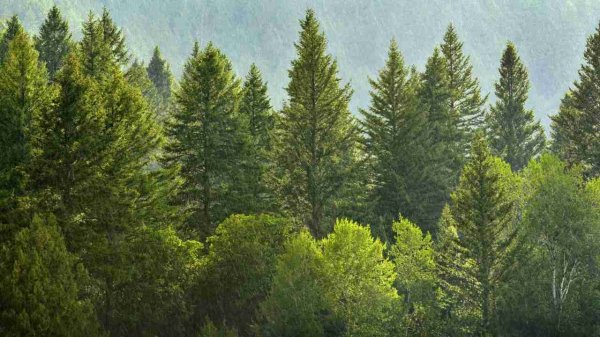
Pine trees are among the most recognizable conifers in landscapes and timber production, with more than 180 species in the Pinus genus spanning North America, Europe, and Asia. On average, these evergreens add two to three feet of height each year, though young saplings can double in size during their first few seasons. A two-foot-tall potted white pine, for instance, may reach over 12 feet within five years when given quality soil, nutrients, and consistent moisture. Mature pines can grow three to four feet annually, depending on the species, and many tower above 50 feet within two decades.
Growth rates, however, are far from uniform. Environmental conditions—soil type, sunlight, temperature, and water availability—play a decisive role, as does the choice of species. Homeowners seeking rapid establishment should prioritize full sun, acidic soil, and ample water during the early years. Wide spacing is equally critical, as these trees need room to spread their roots and canopy.
Species That Grow Fastest
Several pine species are known for their vigorous growth. The Eastern white pine (Pinus strobus), native to the East Coast, Midwest, and Northeast, averages two to three feet of growth per year and is a favored choice for Christmas tree farms. It thrives on upland slopes and rocky stream banks in sandy, acidic, fertile soils. With a mature height of 75 to over 200 feet, this species also serves as a popular windbreak, though its needles are highly flammable, so it should be planted at least 30 feet from structures in fire-prone areas.
In the Southeast, the loblolly pine (Pinus taeda) is a top pick for fast growth, adding two or more feet annually. It prefers moist, sandy loam soils and responds well to compost amendments and supplemental irrigation. Reaching 60 to 70 feet tall, it works well as an accent tree or privacy hedge. The Canary Island pine (Pinus canariensis), native to the Canary Islands, can gain three to four feet per year and is more fire-resistant than many relatives. It requires acidic soil and warm zones (9 and above), and it is invasive in parts of Australia and South America, so local guidance is advised.
Red pine (Pinus resinosa), also called Norway pine, grows two to two-and-a-half feet annually in cool northern climates, though it struggles with urban pollution and shade. Sugar pine (Pinus lambertiana), known for its massive cones up to 22 inches long, grows more slowly—12 to 24 inches per year—but can eventually reach over 240 feet in height, making it a legacy tree for future generations.
Key Factors for Faster Growth
To maximize growth, site preparation and planting practices are crucial. Selecting a species native to your region ensures it can handle local extremes. Soil pH should ideally be between 4.0 and 6.5; if soil is too alkaline, elemental sulfur or gypsum can lower it. Proper drainage is essential, as pine roots need oxygen. Weeds compete heavily with young saplings, so mulching two to three feet around the base helps suppress them and conserve moisture.
Sunlight is non-negotiable: pines require full sun, at least eight to ten hours daily. Planting in the shade of larger trees stunts growth permanently. Temperature tolerance varies widely, but most pines grow fastest between 40°F and 70°F. Watering is critical during the first year—daily or every other day initially, then tapering to once or twice weekly. Overwatering can cause yellowing needles and root rot, so monitoring soil moisture is key.
Spacing also matters. Larger species need 10 to 20 feet between trees, while smaller ones can be 5 to 15 feet apart. For windbreaks, tighter spacing is possible but may require pruning. Under optimal conditions—full sun, well-drained acidic soil, and regular moisture—most pines will grow one to three feet per year, with faster establishment in richer soils.
Ultimately, the fastest way to enjoy a tall pine is to match the species to your local environment and give it the care it needs during its first few years. With patience and proper maintenance, these iconic trees can become a lasting feature of any landscape.