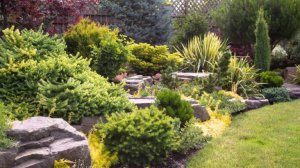
Gardeners in the Northeast have a wealth of native plant species to choose from, offering both beauty and ecological benefits. Native plants, which naturally occur in the region, are adapted to local climate and soil conditions, requiring less water and fewer amendments than non-native species. They also provide essential food and habitat for local wildlife, including birds and pollinators. This guide highlights 31 such species, ranging from towering trees to low-growing ground covers, that can enhance any Northeastern landscape.
The Northeastern United States experiences a range of climate zones, from mild summers to cold winters, with variable precipitation. Before selecting plants, it's crucial to determine your USDA plant hardiness zone, as this indicates which species will survive in your area. Additionally, consider micro-climate conditions within your yard, such as sunlight exposure, soil type, and drainage, to ensure the best plant choices.
Native Trees for Shade and Structure
For those with ample space, native trees offer shade, beauty, and habitat. The American hop-hornbeam (Ostrya virginiana) is a slender tree that thrives in full sun to partial shade and well-drained soil, reaching 25-40 feet. It provides yellow fall foliage and attracts birds. The Eastern redbud (Cercis canadensis) is a smaller tree, 15-25 feet, known for its early spring pinkish-purple blooms that draw pollinators. Silky dogwood (Cornus amomum) grows as a large shrub or small tree, 6-12 feet, preferring moist areas and producing white flowers and purple fruits. Sugar maple (Acer saccharum) is a classic choice for large landscapes, growing 40-80 feet, with spectacular fall color and spring flowers that attract birds. Washington hawthorn (Crataegus phaenopyrum) is a dense, small tree, 25-30 feet, ideal for hedgerows, with white flowers and red-orange fruits.
Shrubs: Edible and Ornamental
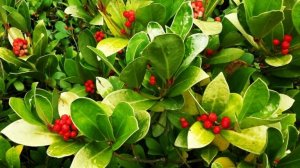
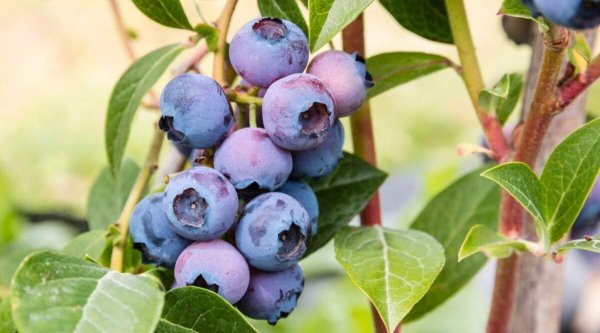
Shrubs add year-round interest and provide food for wildlife. American hazelnut (Corylus americana) grows 10-16 feet and produces edible nuts, attracting squirrels and birds. Lowbush blueberry (Vaccinium angustifolium) is a compact shrub, 1-2 feet, with white bell-shaped flowers and delicious berries, best in full sun and acidic soil. Swamp azalea (Rhododendron viscosum) thrives in partial shade and moist, low-lying areas, blooming with white or pink flowers that attract hummingbirds. Virginia rose (Rosa virginiana) forms dense thickets, offering shelter and food, with pink flowers and rose hips. Winterberry holly (Ilex verticillata) is a deciduous shrub, 6-12 feet, that tolerates wet soil and produces red berries that persist into winter, a vital food source for birds.
Wildflowers for Pollinators
Wildflowers bring vibrant color and support pollinators throughout the growing season. Butterfly milkweed (Asclepias tuberosa) is a standout, with orange flowers that attract butterflies and serve as a host plant for monarch caterpillars. Culver's root (Veronicastrum virginicum) grows tall, 4-7 feet, with white flower spikes that bees love. Great blue lobelia (Lobelia siphilitica) prefers moist soil and blooms with purple-blue flowers that attract hummingbirds. New England aster (Symphyotrichum novae-angliae) is a fall bloomer, 3-6 feet, with pinkish-purple flowers, resistant to deer and rabbits. New York ironweed (Vernonia noveboracensis) also blooms late, with fuzzy purple flowers that attract butterflies. Northern blazing star (Liatris scariosa) offers showy purple spikes, while smooth aster (Symphyotrichum laeve) provides pale purple blooms in fall. Spotted beebalm (Monarda punctata) has unique spotted flowers, and ten-petal sunflower (Helianthus decapetalus) brings bright yellow. Wild columbine (Aquilegia canadensis) thrives in shade, with red and yellow flowers that attract early-season hummingbirds. Wild indigo (Baptisia tinctoria) and wild lupine (Lupinus perennis) are bushy perennials with pea-like flowers, supporting various butterflies.
Vines and Ground Covers for Versatility
Vines add vertical interest and ground covers fill in spaces. American groundnut (Apios americana) grows 8-16 feet, with edible tubers and reddish-brown flowers. Wild grape (Vitis labrusca) is a vigorous vine, 10-40 feet, producing tart fruits enjoyed by wildlife. Virginia creeper (Parthenocissus quinquefolia) is a fast-growing vine, 15-20 feet, with red fall foliage, useful for erosion control. For ground covers, bird's foot violet (Viola pedata) is a low-growing wildflower with purple blooms, attracting native bees. Canadian wild ginger (Asarum canadense) forms dense mats with heart-shaped leaves, ideal for shade. Coral bells (Heuchera americana) offer attractive foliage and white flowers. New York fern (Thelypteris noveboracensis) spreads to form colonies, tolerating wet and acidic soils. Rue anemone (Anemonella thalictroides) blooms in early spring with pink or white flowers, going dormant in summer.
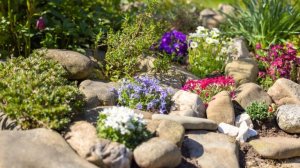
When sourcing native plants, avoid removing them from natural habitats, as this disrupts ecosystems. Instead, start from seed, divide established plants, or purchase from reputable native plant nurseries. Fall is ideal for sowing seeds, while early spring or late fall is best for transplanting. Even small spaces can accommodate native species, such as in raised beds, which can host a variety of wildflowers and support local pollinators.
By selecting a diverse mix of native trees, shrubs, wildflowers, vines, and ground covers, Northeastern gardeners can create a resilient, low-maintenance landscape that provides year-round beauty and vital habitat for local wildlife.