As autumn's last leaves drop and gardens settle into dormancy, a select group of trees steps into the spotlight—not for flowers or foliage, but for the intricate, colorful, and often peeling bark that defines their winter character. For gardeners seeking visual interest in the colder months, these species offer a living sculpture that stands out against snow and gray skies.
Ornamental bark can take many forms: the stark white patches of the American sycamore, the coral-red stems of the Japanese maple, or the shaggy, wildlife-friendly layers of the shagbark hickory. Many of these trees also provide spring blossoms, autumn color, or evergreen foliage, making them multi-season assets. To maximize the bark's impact, horticulturists suggest pruning lower branches to raise the canopy, allowing the trunk's texture to become a focal point.
The following list spans a range of sizes and hardiness zones, from the towering American sycamore (Platanus occidentalis), which can reach 100 feet with a trunk diameter up to 15 feet, to the compact Tibetan cherry (Prunus serrula), a 20-to-30-foot tree whose glossy red bark is banded with white lenticels. Each entry includes botanical name, sun requirements, mature height, and USDA hardiness zones to help gardeners choose the right fit for their landscape.
Large Trees with Dramatic Bark
For those with ample space, several species make bold statements. The American sycamore, hardy in zones 4-9, sheds its brown outer bark in large sheets to reveal new white bark beneath, creating a patchwork effect. The black cherry (Prunus serotina), a North American native growing 50 to 60 feet tall (sometimes up to 110 feet), offers thick, scaly bark that peels in spots; its wood is valued for furniture and instruments, and its bark has been used in cough medicine. The river birch (Betula nigra), which thrives in moist soils and lives up to 75 years, peels in curly sheets to expose shades of peach, salmon, and lavender.
The shagbark hickory (Carya ovata), a member of the walnut family, is notable for its thick, shaggy plates that provide shelter for wildlife. It can live 200 years or more, producing hickory nuts after about 40 years. The Eastern red cedar (Juniperus virginiana), actually a juniper, grows up to 80 feet and features papery bark that peels irregularly, revealing reddish-brown beneath; its aromatic foliage and purple berries add winter interest.
Small to Medium Trees for Versatile Landscapes
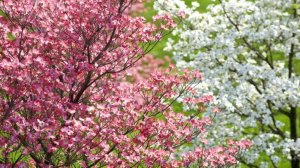
Gardeners with limited space have plenty of options. The coral bark Japanese maple (Acer palmatum 'Sango Kaku') reaches 20-25 feet and is prized for its brilliant coral-red bark, especially striking in multi-trunk form. The paperbark maple (Acer griseum), growing 20-30 feet, peels to reveal cinnamon-colored new bark. The Kousa dogwood (Cornus kousa), a 30-foot tree, offers layered peeling bark in a multicolored patchwork, along with white spring flowers and red fruits.
The 'Red Panda' birch (Betula albasinensis 'Red Panda'), which earned the Royal Horticultural Society's Award of Garden Merit, features coppery-pink bark with white lenticels and a peeling habit. The silver birch (Betula pendula) is classic with silvery-white bark and black clefts, growing 30-40 feet. The snake-bark maple (Acer sect. Macrantha), up to 60 feet, is named for its green striated bark, and the Tibetan cherry offers glossy red bark with white bands.
Unique and Regional Favorites
Some species are less common but equally captivating. The cork oak (Quercus suber), hardy in zones 8-11, is an evergreen with thick, knobby bark harvested for cork products every 9-12 years without harming the tree. The gumbo limbo (Bursera simaruba), native to zones 10-11, has papery reddish-orange bark that peels to reveal smooth green beneath. The snow gum (Eucalyptus pauciflora), also for warm climates, displays smooth bark in swirling shades of white, cinnamon, and gray.
For temperate gardens, the Japanese stewartia (Stewartia pseudocamellia) and tall stewartia (Stewartia monadelpha) offer peeling bark in shades of orange, lavender, and cream, along with fall foliage that turns scarlet. The monkey puzzle (Araucaria araucana), a South American conifer, is unique for its spiky leaf arrangement that obscures the trunk; its leaves can last up to 15 years.
Whether planted as a single specimen or in a group, these trees ensure that the winter garden remains a place of interest and beauty. By selecting species suited to their climate and space, gardeners can enjoy the subtle art of bark throughout the dormant season.