When a pine tree starts showing brown needles, homeowners often worry that the tree is dying. But not all browning is a sign of serious trouble. In many cases, it's a natural part of the tree's life cycle. Understanding the cause is the first step toward deciding whether action is needed.
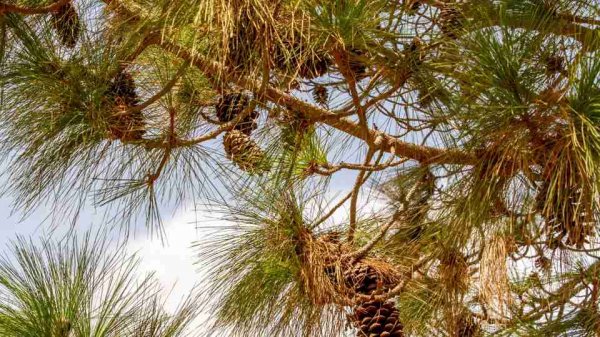
Pines are not truly deciduous, but they do shed older needles. Eastern white pines (Pinus strobus), for example, typically drop two- to three-year-old needles in winter. Many other species also release needles that are two to four years old to make room for new growth. If the tree is shedding less than a third of its needles in autumn or winter, it's likely a seasonal event. The timing is a key clue: browning in spring after the last frost could indicate a different issue.
Environmental Stressors and Their Effects
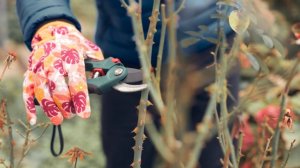
Extreme weather can also cause needle browning. Deep freezes, droughts, and flooding are common culprits. Trees may drop leaves to reduce exposure to stress, and symptoms might not appear until years after the initial event. To prevent stress-related browning, provide consistent care: water young trees adequately to establish roots, plant them in suitable soil, and protect sensitive specimens before temperature extremes. Watering ahead of a freeze or heat advisory, covering smaller trees, and using tree wraps can help. If heat is the issue, water deeply at the drip line in the morning, and consider drip irrigation. For cold damage, wait a few days after a freeze, then prune blackened areas at a 45-degree angle. In flooded areas, hold off on watering until the soil dries to prevent root rot.
Fungal Diseases: Blights and Needlecasts
Fungal pathogens are another major cause of browning. Dothistroma needle blight, caused by Mycosphaerella pini, and brown spot needle blight, caused by Mycosphaerella dearnessii, are common on Austrian, Scots, and red pines. Both cause needles to brown from the tips inward, but they differ in timing and location. Dothistroma appears in spring on the lower half of the tree, while brown spot can occur any time but is most common in late summer to early fall, affecting any part of the tree. Prevent these by ensuring good air circulation, pruning lower branches, removing weeds, and avoiding overhead sprinklers. Copper fungicides can treat both, with specific timing: late spring to midsummer for Dothistroma, and late spring to early summer for brown spot, with follow-up sprays every two to three weeks.
Needlecast diseases, such as Lophodermium and Lophodermella, also cause browning. Lophodermium is identified by football-shaped black fruiting bodies, while Lophodermella gives trees a lion-tailed appearance. Both appear in spring. Prevention involves proper planting and pruning. Treatment for Lophodermium is a chlorothalonil-based fungicide in midsummer to early fall; for Lophodermella, apply when needles are half-grown and again when growth stops. For trees taller than 10 feet, consult an arborist.
Pests and Canker
Pine beetles, including Ips species, can cause needles to turn brown and then red. These beetles create tunnels under the bark, and damage may appear on the trunk or branches. Prevention starts with planting native, region-adapted pines. Insecticides are often ineffective because beetles hide between bark and cambium, so professional advice is recommended.
Pitch canker, caused by Fusarium circinatum, is another concern, especially for Monterey pine (Pinus radiata). Symptoms include oozing pitch, lesions girdling branches, and dieback. Prevention involves monitoring for Ips beetles, planting seedlings from reputable sources, and proper disposal of infected trees. Pruning with sterile tools can help, but sanitize between cuts to avoid spreading the fungus.
While browning can be alarming, most pine ailments are treatable. The key is to identify the cause and act accordingly. Planting in suitable conditions and choosing native species can reduce stress and increase resilience. Regular monitoring and timely intervention will help keep pines healthy for years.