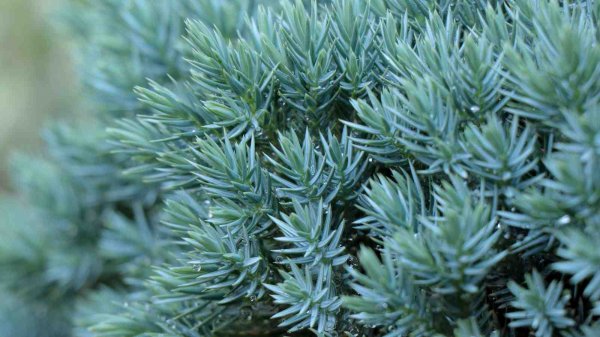
PORTLAND, Ore. — A compact evergreen shrub with silvery-blue needles has become a staple in cool-climate gardens, particularly across the Pacific Northwest. The blue star juniper, botanically known as Juniperus squamata 'Blue Star', is a dwarf cultivar of the singleseed juniper, a species native to high-altitude regions from Afghanistan to Taiwan. Its low, mounding habit and drought tolerance make it a practical choice for gardeners facing poor soil or challenging conditions.
Unlike many ornamentals, this juniper does not grow from seed. It is a cultivated variety propagated exclusively through cuttings, a trait that has helped it gain widespread popularity in nurseries and garden centers. Its parent species, Juniperus squamata, is rarely grown in U.S. gardens, but its cultivars—including 'Blue Star', 'Blue Carpet', and 'Floriant'—are common in landscapes across the country.
Why Gardeners Choose Blue Star
The shrub's appeal lies in its foliage: dense clusters of blue needles with a white tinge, which form plume-like growth along each stem. It stays under three feet tall and spreads to about four feet wide, making it an effective ground cover when planted in groups. Its ornamental blue cones, resembling berries, add seasonal interest. Beneath the foliage, the lower stems thicken into woody trunks over time, though gardeners are advised to avoid cutting into these woody areas, as they do not regrow well.
Blue star juniper is rated for USDA hardiness zones 4 through 8, and it flourishes in the cool, moist conditions common in Oregon cities like Portland, Eugene, and Salem. It also adapts to other temperate regions, provided it receives full sun—at least six hours of direct light daily—and well-drained soil. The plant is notably tolerant of poor, nutrient-deficient soils, which makes it a reliable option for rock gardens or areas where other plants struggle.
Planting and Care Essentials
Transplanting is best done in fall or spring when temperatures are mild. Gardeners should dig a hole twice as wide as the rootball and equal in depth, ensuring the trunk sits level with the surrounding ground. After planting, thorough watering helps settle the soil, and new transplants require consistent moisture for several weeks until established. Once rooted, the shrub becomes drought-tolerant and cold-hardy.
Watering should be infrequent but deep, allowing the soil to dry out completely between sessions. Overwatering poses a greater risk than underwatering, particularly in dense clay or silt soils, which can lead to root rot. For container-grown plants, a loose, well-draining mix—such as those formulated for bonsai or cacti—is recommended. Fertilizer is generally unnecessary for in-ground plants; a layer of mulch, such as compost or wood chips, suffices. Potted specimens may benefit from a quarter-strength fertilizer application in spring.
Propagation and Varieties
Propagation is achieved through cuttings or air-layering. For cuttings, take four- to six-inch stem pieces, strip the lower foliage, and insert them into moist potting soil. Keep them in partial shade and maintain moisture; roots may take over a month to develop. Air-layering, a more technical method, involves wounding a branch, wrapping it in moist moss, and waiting for roots to form before severing and replanting.
Several related cultivars offer alternatives. 'Meyeri', the parent of 'Blue Star', grows taller—up to five feet or more—with an upright, arm-like branching pattern. 'Blue Carpet' is a prostrate variety, staying under a foot tall but spreading four to five feet, ideal for slopes. 'Floriant' features yellow-tipped needles on a dwarf form, reaching just two feet tall and wide, making it a striking focal point.
Pests and Diseases
Blue star juniper faces few serious pest issues. Aphids may appear in spring on new growth but typically diminish as foliage matures; they can be washed off with a hose. Scale insects, twig borers, webworms, and bagworms may occasionally affect weak plants. Root rot is the primary disease concern, often caused by overwatering or poor drainage. Twig blight can occur in wet springs, but proper soil conditions and avoiding excessive moisture mitigate most problems.
For gardeners in cool climates seeking a low-maintenance evergreen, the blue star juniper offers a resilient and visually appealing option. Its compact size, striking color, and adaptability to poor soils make it a practical addition to a wide range of landscapes.