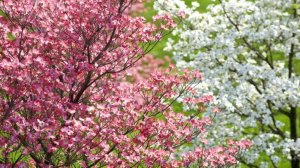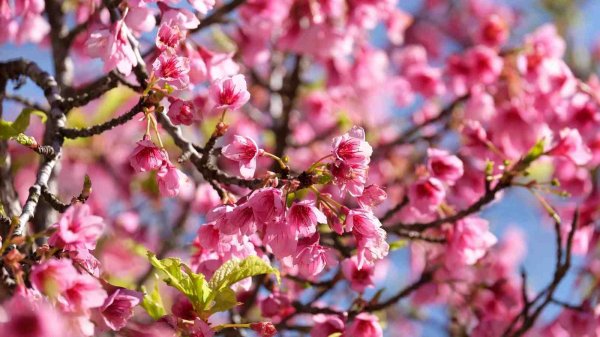
For gardeners in the American South and other subtropical zones, the Taiwan flowering cherry (Prunus campanulata) offers a rare spectacle: vivid pink blossoms that open in December and February, when most other trees are bare. Native to Taiwan, southern Japan, southern China, and Vietnam, this deciduous tree has become a beloved ornamental across East Asia and is now gaining traction in the United States, particularly in the Deep South and coastal regions.
Unlike the Yoshino and Okame cherries celebrated in Washington, D.C., and Japan, the Taiwan cherry thrives in warmer climates, typically zones 7 through 10, though it can also grow in zones 11 and 12 with coastal influence. Its ability to bloom in mid-winter makes it a standout in parks and gardens, drawing crowds for informal 'hanami' gatherings under its branches.
Characteristics and Native Habitat
Prunus campanulata can reach heights of over 30 feet, producing tart, edible fruits in late winter and early spring. The cherries are small and have little flesh, but they can be used in jams and pies once the pits are removed. In its native habitat, the tree grows on mountains, hillsides, and forest edges. In Japan's Ryukyu Islands, it is the most prominent flowering cherry, filling streets and parks with color. In Taiwan, it thrives at higher elevations, away from the tropical coastline.
In New Zealand, however, the species is considered invasive in some regions, with communities like Northland and North Island banning it from nurseries because it competes with native species.
Planting and Site Selection
When planting, choose a location with full sun and well-drained soil. If rainfall is heavy, a slope can help prevent water from accumulating around the roots. In drier areas like Southern California or West Texas, regular irrigation is essential. The tree grows quickly and can become wide, so keep it away from other tall species and sun-loving plants.
For young seedlings, wait until they are at least one foot tall and harden them off before transplanting. Dig holes about twice the width of the root ball, plant so the root-trunk junction is just covered, and mulch with straw or wood chips, keeping mulch away from the trunk. Water thoroughly after planting.
Growing from Seed and Cuttings
Seeds can be collected from fresh fruits, soaked briefly, and cleaned of pulp. After drying, they need cold stratification for a few months in the refrigerator, or they can be sown directly in the soil in early winter under a cold frame. Germination may take several months, so patience is required.
Propagation by cuttings is also straightforward. Take an 8-inch cutting from a green, flexible branch with healthy foliage, dip the cut end in rooting hormone, and place it in a soilless medium like coconut coir. Keep it moist and covered with a plastic bag; new growth should appear within 30 days.
Care and Maintenance
Once established, Taiwan cherries are low-maintenance. They prefer slightly acidic, nutrient-rich soil with good drainage. Amend heavy clay with sand and compost, and test pH; if it's above 7.0, add organic garden sulfur. Water weekly in dry climates, but avoid overwatering, which can lead to root rot. In areas with frequent rain, water only when the soil dries.
Fertilize once a year in early spring or late winter with a fruit tree fertilizer high in phosphorus and potassium. Prune after blooming to maintain shape, removing lower branches and disinfecting tools to prevent disease.
Pests and Diseases
While generally resistant, the tree can be affected by aphids, spider mites, tent caterpillars, and scale insects. Check the undersides of leaves for signs like honeydew or curling. Minor infestations can be washed off with water; more serious cases may require organic neem oil. Root rot is the most common disease, usually caused by overwatering. Ensure well-drained soil and avoid watering during and after heavy rain.
For gardeners in zones 8 to 10, the Taiwan cherry offers a reliable and striking winter display. With proper placement and care, it can become a focal point for years to come.