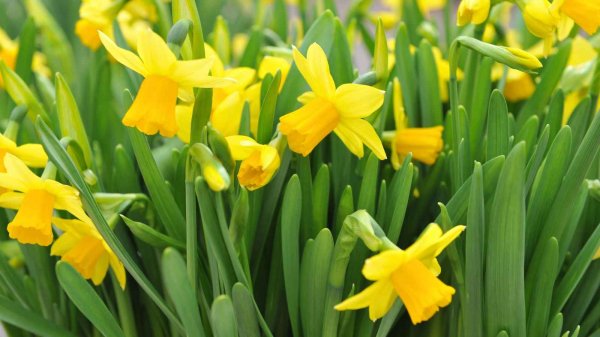
For gardeners eager to see color after winter, the Tête-à-Tête daffodil offers an early, reliable display. This compact narcissus, introduced in 1949 by English hybridizer Alec Gray, produces multiple golden blooms per stem and has earned both the Royal Horticultural Society's Award of Garden Merit and the American Daffodil Society's Wister Award for garden performance. Hardy in USDA zones 3 through 9, it thrives in a range of climates, from cold northern gardens to mild southern ones.
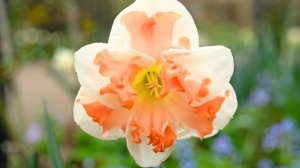
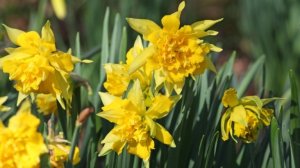
Standing just six to eight inches tall, Tête-à-Tête fits neatly into front borders, rock gardens, walkway edges, and containers. Its small size makes it a practical choice for tight spaces, yet it naturalizes readily, forming colonies over time. The flowers, with buttercup-yellow petals and deeper gold cups, appear in pairs or groups of three, giving the plant its name—a reference to a head-to-head conversation.
Planting and Site Requirements
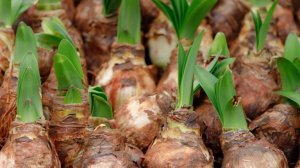
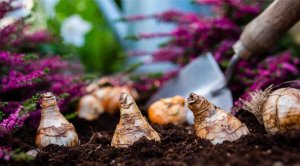
Plant bulbs in fall or early winter while the soil is workable, ideally when nighttime temperatures are in the 40s and 50s Fahrenheit. Choose a spot with full sun to partial shade; winter sun is key for robust flowering, though dappled light under deciduous trees works well. Dig holes two to three times the bulb's height, spacing them three to six inches apart. For containers, crowd bulbs shoulder to shoulder in a quality potting mix, and topdress with compost for nutrients.
In warmer regions (zones 8-9), blooms may start as early as February, while cooler areas see flowers in April. The bulbs need a cold period of about 12 to 16 weeks at 40-50°F to trigger flowering. Gardeners in mild climates can buy pre-cooled bulbs or refrigerate them before planting to ensure a good show.
Water, Soil, and Feeding
Daffodils prefer well-draining soil; soggy conditions can lead to bulb rot. During the growing season, keep the soil evenly moist, but reduce watering after blooms fade and stop entirely a few weeks post-flowering. Established plants are drought-tolerant. For heavy clay or sandy soils, mix in compost to improve aeration and drainage. A low-grade organic fertilizer, such as 5-10-5, applied as growth tips emerge, supports bulb health—avoid getting it on the foliage.
Maintenance and Division
After flowering, let the leaves remain for six to eight weeks until they yellow and pull away easily. This allows the bulb to store energy for next year. Tête-à-Tête bulbs multiply over time and benefit from division every five to ten years. Dig them up in fall, separate the offsets, and replant. The plants are generally pest-free, but watch for narcissus bulb fly and nematodes. Bulb fly larvae tunnel into the bulb, causing weak growth; infected bulbs should be dug up and discarded. Nematodes cause distorted leaves and soft spots—remove affected plants and avoid composting them.
With minimal effort, Tête-à-Tête daffodils deliver a dependable splash of spring color, whether massed in the ground or featured in pots. Their deer- and rabbit-resistant foliage and low maintenance make them a practical addition to any garden.