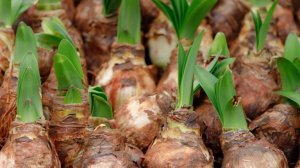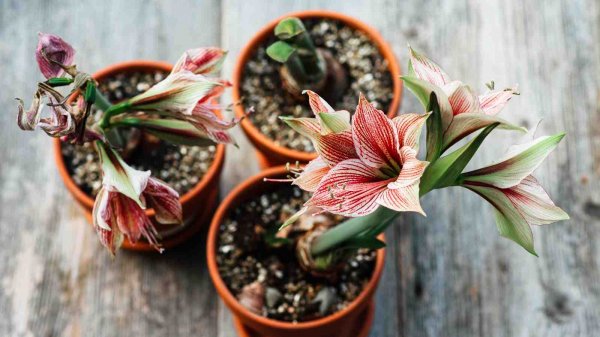
When the last amaryllis blossom withers, the plant's future hangs in the balance. Gardeners can recycle the bulb, nurture it indoors, or transplant it outdoors—each path requires specific steps to ensure the bulb either returns to nature or produces another round of blooms. The decision hinges on space, climate, and whether the gardener wants to see those trumpet-shaped flowers again.
Amaryllis bulbs, often purchased for holiday decor alongside poinsettias and Christmas cacti, typically bloom for several weeks before the stalks fade. While the blooming phase is low-maintenance—bright indirect light and protection from drafts suffice—the post-bloom period demands attention. The bulb's ability to flower next year depends on how it is treated after the petals drop.
Compost or Bury: The Recycling Route
For those who don't wish to keep the bulb, composting is the most eco-friendly option. Tossing the bulb into a compost pile or burying it in the garden allows it to decompose and return nutrients to the soil. However, some bulbs come coated in wax, which growers apply to extend shelf life without soil or water. That wax should be removed before composting, as it may not break down naturally. Sending the bulb to a landfill adds unnecessary waste, so composting or burying is preferable.
Keeping the Bulb: Immediate Steps
If the goal is to preserve the bulb, the first task is to snip off the spent flowers. Leaving them in place can trigger seed pod formation, which diverts energy away from the bulb. Use pruners to cut the withered blooms, taking care not to damage the stem or leaves. The foliage, which remains green for months, is vital—it photosynthesizes and stores nutrients for the next flowering cycle. Removing leaves prematurely weakens the bulb.
Continue providing bright indirect light and consistent moisture, keeping the soil damp but not soggy. For bulbs grown in water with pebbles, refresh the water weekly. Household temperatures between 65-75°F (18-24°C) are ideal. When moving potted plants outdoors in spring, acclimate them gradually over a week or two in dappled shade.
Fertilizing and Foliage Management
After blooming, amaryllis benefits from regular feeding. A balanced organic fertilizer, applied as a liquid or powder, supports growth. For soil-grown plants, feed once or twice a month, following package instructions. Water-cultured bulbs need a quarter-strength liquid fertilizer mixed into the water, changed weekly to prevent rot.
As summer transitions to autumn, the leaves will yellow and die back naturally. At that point, cut them off two to three inches above the bulb, allowing the wound to heal before dormancy. The withered leaves can be composted or used as mulch.
Dormancy and Storage
Amaryllis requires a rest period of eight to ten weeks in cool, dark conditions. Unlike hardy daffodils and tulips, amaryllis (botanically Hippeastrum) are native to tropical Central and South America and are not cold-tolerant. For indoor storage, remove the bulb from its pot, brush off soil, and let it dry in a cool, dark spot—options include a fridge, unheated garage, basement, or pantry. Keep temperature and light constant to prevent premature sprouting.
For outdoor planting, gardeners in hardiness zones 7 through 10 have the best success. In zones 9 and 10, bulbs thrive with minimal protection; in zones 7 and 8, a two-to-three-inch mulch layer shields the bulb necks from frost. Plant bulbs with necks above the soil, and water to keep the soil moist but not waterlogged. In colder zones, potted amaryllis should be moved indoors for winter.
After dormancy, replant the bulb in soil or water, and expect blooms in about five weeks. To have flowers by Christmas, start dormancy in late August or early September and pot the bulb about six weeks before the holiday. With proper care, amaryllis bulbs can bloom for many years.