Gardeners who receive amaryllis bulbs as holiday gifts often wonder how to coax the largest, most vivid blooms from these winter-flowering plants. While the true amaryllis originates from South Africa, the bulbs sold in nurseries belong to the South American Hippeastrum genus, which includes roughly 100 species and hundreds of cultivars. Proper fertilization is the key to unlocking their full potential, and understanding the right nutrient balance and timing can make the difference between a lackluster display and a spectacular one.
Feeding amaryllis is not a one-time event but a season-long strategy. The most effective approach is to combine fertilizer with watering, as this allows nutrients to dissolve and reach the roots more efficiently. Applying dry fertilizer between waterings can leave concentrated clumps on the soil surface, which may burn the foliage and lead to uneven nutrient uptake. Instead, wait until the top layer of soil feels dry, then water thoroughly with a diluted fertilizer solution, avoiding over-saturation that could cause root rot and diminish bloom intensity.
Choosing the Right Nutrient Mix
Phosphorus is the most critical nutrient for amaryllis, as it strengthens roots and encourages blossoming. A fertilizer with a 10-20-15 N-P-K ratio—where the middle number represents phosphorus—is widely recommended. This higher phosphorus content supports flower production without excessive leaf growth. While balanced options like 10-10-10 or 4-4-4 can work, they may not provide the same bloom-boosting effect. Potassium also plays a role in regulating water movement and nutrient distribution, so a mix that includes it is beneficial.
For gardeners preferring organic options, bone meal offers a slow-release source of phosphorus and calcium. Applied at a rate of half a teaspoon per bulb, it should be worked into the soil around the roots, avoiding direct contact with the bulb itself. The nutrients break down gradually, so additional applications may not be needed until after flowering. Liquid fertilizers, including kelp-based formulas, provide a faster nutrient boost and are particularly useful for correcting deficiencies. They dissolve quickly and spread evenly, reducing the risk of salt buildup on the soil surface.
Avoiding Overfeeding and Underfeeding
Over-fertilizing is a common mistake that can lead to weak growth and poor blooming. Symptoms include brown spots on leaf edges, a crusty soil surface from mineral salts, and yellowing leaves. If these signs appear, stop feeding immediately and flush the soil with water to dilute excess nutrients. Conversely, underfeeding can result in stunted growth, pale leaves, and a lack of flowers. If plants receive adequate light but still show these symptoms, a balanced or high-phosphorus fertilizer may be needed.
Feeding Through the Seasons
After the initial bloom fades, amaryllis can be encouraged to flower again the following year. Trim the spent flower stems and continue watering and fertilizing with a balanced organic formula every two to four weeks. This supports leaf growth, which in turn stores energy in the bulb for the next cycle. As the plant enters its natural dormancy period—typically in late summer or early autumn—reduce watering and stop fertilizing entirely. Move the bulb to a cool, dark location, remove the leaves, and allow it to rest for up to ten weeks.
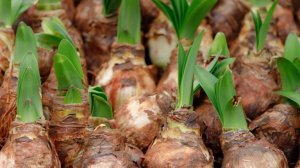
Once new growth emerges, resume feeding with a diluted fertilizer solution. It is crucial to wait until leaves appear above the soil surface, as feeding too early can damage immature roots. After the first application, continue feeding every one to two weeks, monitoring the plant's response. With careful attention to nutrient ratios and timing, amaryllis bulbs can reward gardeners with vibrant winter flowers year after year.