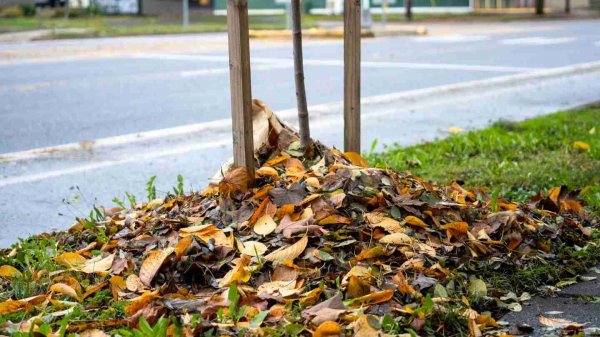
Gardeners often reach for mulch to enrich soil and protect plants, but when it comes to trees, the way mulch is applied can make the difference between a thriving specimen and a doomed one. A common mistake—piling mulch into a "volcano" around the trunk—can actually harm trees over time, leading to root suffocation, bark decay, and even structural failure. Experts advise keeping organic mulch layers under three inches deep and away from the trunk's base to avoid these risks.
Mulch is generally beneficial: it improves soil structure, adds nutrients, and supports beneficial organisms like worms. However, the depth and placement are critical. When mulch exceeds three inches, it can create a barrier that prevents oxygen and carbon dioxide from reaching the roots, effectively suffocating them. This is especially problematic during rainy seasons when the mulch stays wet, and during dry spells when it can become hydrophobic, repelling water instead of absorbing it.
Why Excess Mulch Damages Trunks and Roots
One of the most direct effects of mulch piled against the trunk is bark rot. Tree bark is a protective layer of dead, dry wood that shields the living tissues inside. When mulch keeps this bark constantly moist and shaded, it can rot, opening the door to pests and diseases. Additionally, thick mulch layers can cause roots to grow upward into the mulch, leading to girdling roots that wrap around the trunk and eventually strangle the tree. This condition often goes unnoticed until the tree shows signs of stress or falls over in a storm.
Girdling roots are a particular concern for newly planted trees. When feeder roots are buried under excessive mulch, they die, and new roots may grow above the root flare, circling the trunk. Over time, these roots constrict the tree's vascular system, weakening it and making it more susceptible to wind damage. A tree with a weak root system is a safety hazard, as it can topple onto structures or people during severe weather.
Correct Mulching Techniques
To avoid these problems, gardeners should apply mulch in a thin, even layer—no more than three inches deep—and keep it a few inches away from the trunk. This allows the root flare to remain exposed, which is essential for the tree's health. For established trees, a layer of wood chips or straw spread evenly over the root zone is ideal. For new transplants, it's important to plant them at the correct depth, with the root flare just above the soil line.
If you already have a mulch volcano on your property, it's not too late to fix it. Rake the excess mulch away so it's two to three inches thick, and remove any soil that has accumulated against the trunk until the root flare is visible. This simple correction can help your tree recover and develop a strong, healthy root system.
Beyond the health benefits, proper mulching also conserves organic material. Instead of wasting mulch in a pile around the trunk, you can use the extra to enrich other garden beds or add to your compost. A thin, annual layer of mulch keeps soil moist, protected, and drought-resistant, benefiting the entire garden.