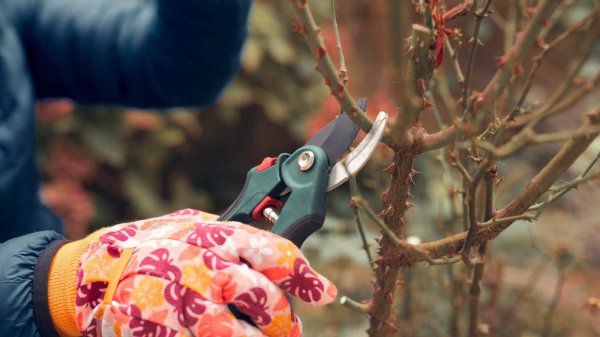
As autumn advances and rose bushes shed their leaves, gardeners in colder regions face a critical decision: how to prepare their plants for the freezing months ahead. While roses are remarkably resilient, winter kill—the damage caused by hard freezes, drying winds, and freeze-thaw cycles—can weaken or even kill stems and roots. According to horticultural guidance, roses in USDA zones 6 and colder benefit significantly from extra winter protection, and a light, strategic pruning in late fall is a key part of that defense.
Pruning in fall is not about heavy shaping; that task is best reserved for late winter or early spring, when new growth is about to emerge. Cutting back too aggressively now can stimulate tender shoots that are vulnerable to cold damage. Instead, the goal is to remove problematic canes and reduce the plant's overall exposure to winter stress. Timing is crucial: wait until most leaves have dropped, signaling dormancy, which typically occurs after the first frost but before the ground freezes hard.
What to Cut and What to Leave
All roses benefit from the removal of diseased, dead, or declining canes at any time of year. These canes are often brown and brittle, while healthy stems are green with a white, pithy interior. Cut them back to the first section of healthy growth. Also remove crossing branches, which can rub and wound each other, inviting disease and reducing airflow.
For climbing roses and ramblers, which are generally cold-hardy, the focus is on long, whippy stems that can break or crack in winter winds. Remove these spindly growths, along with any suckering offshoots, to improve airflow and strengthen the plant's structure. If the interior of the plant is crowded, cut out the oldest canes to make room for new ones in spring.
Top-heavy shrubs, including popular landscape varieties like Knockouts, are prone to toppling in strong winds, which can lift and damage roots. Reducing the height by about one-third, or down to roughly 30 inches, helps them withstand winter gusts and removes thin stem ends that are most susceptible to cold injury.
Extra Insulation for Vulnerable Types
While many old garden roses, shrubs, and species roses are exceptionally winter-hardy, modern hybrids—such as hybrid teas, floribundas, and grandifloras—are more sensitive. These are often grafted, meaning the upper growth is fused onto a rootstock, and the graft union is especially vulnerable to freezing. If the union is damaged, the entire upper portion can suffer. Own-root selections, which grow from cuttings, are less at risk.
For these sensitive types, pruning them down to about 18 to 24 inches—roughly knee-high—helps with insulation. This cutback should be done after several nights of temperatures below 20°F (-7°C). Then, mound about a foot of soil or mulch at the base, and consider a wire cage filled with leaves for added protection.
Roses in containers face a different challenge: they lack the insulating mass of surrounding soil, making their roots more susceptible to frost heaving. In mild climates (zones 7 and warmer), a thermal blanket or burlap cover during cold snaps may suffice. In colder areas, wrapping the pot with burlap or frost cloth, or moving the container to an unheated garage, basement, or cold frame, offers the best defense. These sheltered spots should maintain temperatures between 30 and 40°F (-1 to 4°C) and provide occasional watering to keep roots from drying out.
Tools, Technique, and Cleanup
Using sharp bypass pruners and loppers ensures clean cuts that heal quickly. Because roses are prone to fungal, viral, and bacterial diseases, it's wise to sterilize blades between cuts—a simple wipe with rubbing alcohol (70% or higher) works well. When cutting, trim just above an outer bud or leaf node, making a straight cut or angling it downward at 45 degrees to prevent tearing.
After pruning, clear the beds of fallen leaves and clippings. Diseases like black spot can overwinter in plant debris, so proper disposal—bagging or burning, rather than composting—helps prevent future outbreaks. Finally, consider extra insulation: in zones 7 and above, a three-inch layer of mulch is usually sufficient; in colder zones, mound 8 to 12 inches of soil, compost, or shredded leaves around the base. A wire cage filled with dry leaves, topped with a weighted board to keep out rain and snow, provides excellent protection for both in-ground and potted roses. Remove these coverings in late winter or early spring to allow the soil to warm and new growth to emerge.
With these steps, gardeners can help their roses weather the winter and emerge healthy and ready to bloom.