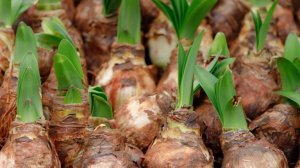
Spring-flowering bulbs, from early snowdrops to late-blooming alliums, reward gardeners with a season-long display of color. But after a few years, even the most reliable perennials can show signs of stress—fewer flowers, crowded clumps, or weak growth. Knowing when to lift and divide these bulbs is key to maintaining their vigor and expanding your garden's palette.
Most hardy bulbs, including daffodils, crocus, and hyacinths, are cold-hardy in USDA zones 3-8 and can naturalize over time. However, as colonies expand, competition for nutrients, moisture, and sunlight can reduce blooming. Recognizing the signals that your bulbs need attention is the first step toward rejuvenation.
Signs Your Bulbs Are Ready to Divide
Several indicators suggest it's time to divide your bulbs. Overcrowding is a common issue: if the clump has reached the edge of its bed or the bulbs are packed tightly, they need more space. Weak growth, such as spindly stems or yellowing leaves, may also point to poor soil drainage or insufficient sunlight. A noticeable drop in flower production—fewer blooms or smaller flowers—is another clear sign that the bulbs are competing for resources.
Timing is critical. The optimal window for dividing spring and summer bulbs is early fall, when soil temperatures cool to nighttime lows in the 40s and 50s (around 4-10°C). This allows roots to establish before freezing. Alternatively, you can divide after flowering in spring, while the leaves are still green, and replant immediately to minimize stress.
How to Divide and Replant
Dividing bulbs is straightforward. Dig about six inches away from the clump, using a shovel or fork to lift the bulbs from below. Gently separate them into singles or small clusters. If baby bulbs (offsets) are attached, tug them gently—if they resist, leave them attached to continue growing.
Before replanting, choose a site with adequate sunlight (at least four hours) and well-draining soil. Clear the area of weeds, and amend with compost if the soil is heavy or lean. Plant bulbs at a depth two to three times their diameter, with the pointed end up. Space them according to size, and water lightly after planting—avoid overwatering, as soggy conditions can cause rot.
Adding a layer of mulch or compost after planting helps regulate soil temperature, retain moisture, and suppress weeds. In late winter or early spring, pull back the mulch from the crown to allow new growth to emerge.
Dividing bulbs not only rejuvenates crowded clumps but also gives you free bulbs to expand your garden. By following these steps, you can ensure a vibrant display for years to come.