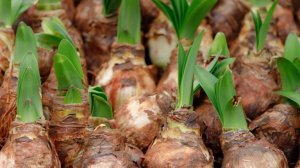
As the growing season winds down, gardeners in cooler climates face the annual task of safeguarding tender bulbs from freezing temperatures. These plants—which include corms, tubers, and rhizomes—cannot survive harsh winters if left in the ground. The key is to dig them up before a hard freeze turns them to mush, then store them in conditions that mimic their dormant period.
The process is straightforward, but each variety has its own quirks. Here’s what you need to know to keep your gladiolus, canna lilies, calla lilies, chincherinchee, tuberous begonias, elephant ears, and dahlias healthy until spring.
Why Timing Matters
Frost is the signal that it’s time to act. Once foliage blackens after an overnight frost, the bulbs have entered dormancy. However, waiting too long—allowing a deep freeze to penetrate the soil—can damage the underground structures. Monitor local weather forecasts and observe your plants’ foliage to determine the optimal digging window.
Unlike seeds, which can remain viable for years, tender bulbs will die if not replanted each spring. This makes proper storage essential for gardeners who want to enjoy these blooms year after year.
General Storage Steps
Regardless of variety, the basic steps are similar: allow foliage to die back, dig gently, cure the bulbs, clean off soil, pack them in a suitable medium, and store in a cool, dark, dry place. Check them monthly for signs of rot or dehydration.
When digging, use a hand rake or spade, working from the outside edge of the root zone to avoid nicking the bulbs. After curing, place bulbs so they do not touch each other—this prevents the spread of disease if one begins to rot. If bulbs shrivel during storage, lightly mist the storage medium with water.
Variety-Specific Advice
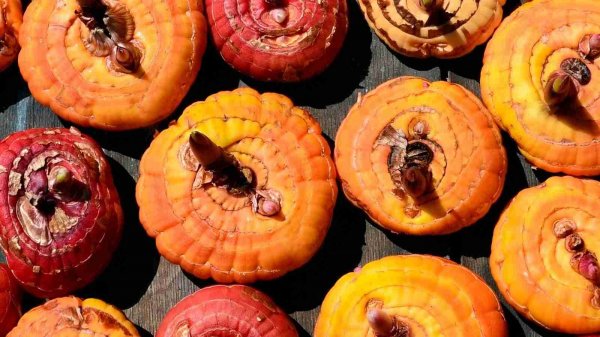
Gladiolus: These corms need a longer cure. After digging, dry them in the sun for two days, then cut foliage to two inches and cure for three weeks in a warm (60-70°F) area. Remove the shriveled mother corm and small cormels; store the rest at 35-45°F.
Canna Lily: Related to banana and ginger, canna rhizomes prefer cozier bedding. After drying for two days, layer them in cedar chips in a bin, ensuring they don’t touch. Store at 45-50°F with the lid loosely covered for ventilation.
Calla Lily: These South African natives grow from corms. After frost, dry them for three weeks, then store in a cardboard box or paper bag with slightly moist peat moss or vermiculite, at 45-55°F.
Chincherinchee: Also from South Africa, these bulbs can last up to six weeks as cut flowers. Dry them for three weeks at room temperature, then store on a paper-lined tray at 45-55°F.
Tuberous Begonia: In September, reduce watering and stop fertilizing to harden the plants. After foliage yellows and stems fall off, dig up tubers, dry for two weeks in a sunny spot, then store in a perforated bag with peat moss at 45-55°F.
Elephant Ear: Wear gloves when handling, as sap can irritate skin. After tops die back, dig corms, cut foliage to three inches, dry for three days, and store in cardboard boxes with peat moss or pine shavings at 40-60°F.
Dahlia: These tubers require extra vigilance. Wait for two hard frosts—cut stems to six inches after the first, dig after the second. Rinse, dry, trim stems to an inch and remove hairlike roots. Let dry for 24 hours, then pack in cedar chips or peat moss in bins with loose lids, storing at 40-50°F.
Common Questions and Troubleshooting
Gardeners often wonder about pests and damage. If thrips were a problem on gladioli, soak corms in a solution of 1 tablespoon Lysol per gallon of water for six hours before planting in spring. For bruised bulbs, discard them to prevent disease spread. If a bulb rots in storage, toss it and replace the storage medium. Dehydrated bulbs feel soft and dent when pressed—discard those, but mist the medium to keep others hydrated.
You can also overwinter tender bulbs in pots. Trim foliage and place pots in a cool, dark, dry area within the required temperature range.