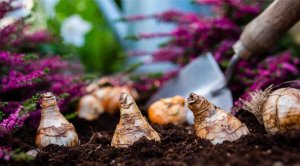
November is the prime window for planting spring and summer-flowering bulbs, and with thoughtful planning, container gardens can deliver a stunning transformation as temperatures rise. From holiday centerpieces to early spring welcomes, fall bulb planting offers substantial rewards with minimal effort. By tucking bulbs into pots now, gardeners can create hidden gems that emerge later, adding unexpected color to patios, balconies, and entryways.
Bulbs are remarkably versatile, pairing well with each other and with cool-season annuals and perennials. Underplanting these plants with bulbs allows the container to evolve as the season progresses, with little intervention required. The key is to consider early, mid, and late-season bloomers to ensure overlapping color that lasts for weeks.
Designing with Bloom Times in Mind
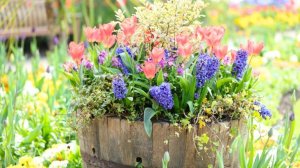
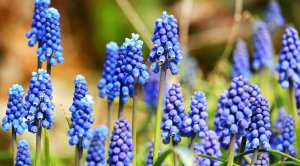
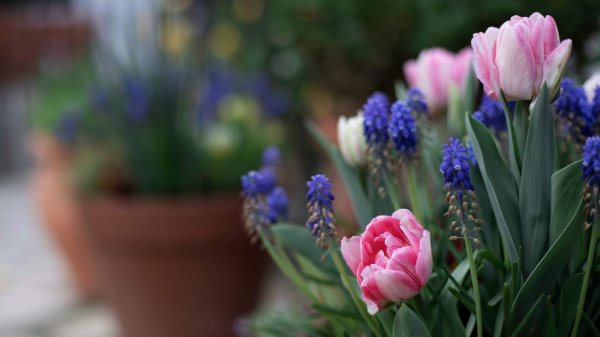
When assembling a container, coordinating bloom times is essential. For example, grape hyacinths (Muscari armeniacum) are mid-late spring bloomers that pair effortlessly with pale pink tulips like Tulipa ‘China Town,’ a Viridiflora type with creamy-margined foliage and moss-green streaks. Both have earned the Royal Horticultural Society’s Award of Garden Merit, a testament to their performance.
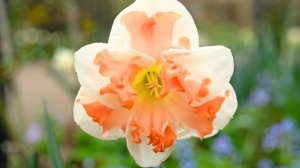
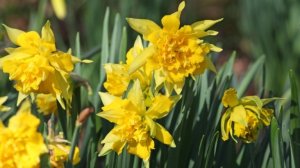
Miniature daffodils, such as ‘Tete-a-tete’ and ‘Yellow Sailboat,’ offer early color in zones 3-8. ‘Tete-a-tete’ is a sturdy, floriferous dwarf with multiple blooms per stem, while ‘Yellow Sailboat’ grows 10-12 inches tall with reflexed petals. For height, ‘Golden Dawn’ reaches 12-14 inches with fragrant orange trumpets, and ‘Classic Garden’ can grow 16-20 inches tall.
Layering and Potting Techniques
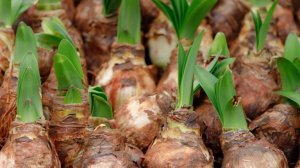
A layered planting, often called a “bulb lasagna,” is a popular technique for maximizing color in a single pot. Start with a well-draining potting mix, place larger bulbs deeper, and cover with soil before adding smaller bulbs like grape hyacinths near the surface. This method allows for a succession of blooms, with each layer emerging at its own time.
For bulbs that require a winter chill (vernalization), place the pots outdoors this month. The cold period, ideally around 20°F (-7°C), is crucial for triggering spring growth. An unheated cold frame or greenhouse works well, or simply nestle pots against a building and cover with leaves for insulation. After 10-12 weeks, or as temperatures warm, move the containers to their display spot.
Forcing Bulbs for Indoor Enjoyment
Forcing bulbs is a simple way to enjoy spring flowers indoors, even in winter. Pre-chilled bulbs, available from growers, skip the cold period and bloom quickly in warm conditions. Amaryllis, hyacinths, daffodils, and tulips are all suitable for forcing. Plant them in November for a holiday display, keeping them out of direct sunlight and away from heat vents to prolong the blooms.
For a rustic twist, forced daffodils can be grown in a shallow dish of pebbles and water or a bulb vase. Ensure the bulb base contacts water or moist soil, and use moss to conceal the media. Once new growth appears, move to a brighter, warmer spot to initiate budding.
Unique Container Ideas
Beyond the classics, several distinctive options stand out. Fritillaria, particularly crown imperial (Fritillaria imperialis), offers dramatic drooping blooms on tall stems, with cultivars in yellow, orange, and red. ‘Rubra Maxima’ is a vibrant red-orange variety. Pair with blue violas for contrast.
For early spring, winter aconite (Eranthis hyemalis) and snowdrops (Galanthus) are among the first to bloom, often pushing through frost. Plant winter aconite tubers two inches apart and three inches deep, and snowdrops at four inches deep. ‘Viridi-apice’ is a snowdrop variety with green-tipped petals.
Alliums add architectural interest with their globe-shaped flower clusters. ‘Globemaster’ produces 10-inch spheres of purple florets, while ‘Powder Puff’ offers tennis-ball-sized blooms on 14-18 inch stems. ‘Purple Sensation’ is an early bloomer with velvety royal purple spheres on two to three-foot stems. Conceal fading allium foliage with low annuals.
For a holiday statement, amaryllis (Hippeastrum) is a bold choice. Plant the bulb with one-third exposed above the soil line, using a container one inch larger than the bulb. Amaryllis blooms within four to six weeks of planting, and while often associated with the holidays, its natural bloom time is late spring to early summer. Varieties like ‘Red Lion’ (crimson), ‘Apple Blossom’ (pink), and ‘White Christmas’ (white) offer a range of colors.
Whether you choose a single tulip pot or a layered ensemble, November bulb planting is a rewarding investment in spring beauty. With careful planning and these container designs, your garden will burst into color when the season turns.