September marks a pivotal window for gardeners looking to expand their landscape with new trees. As the growing season winds down, many species enter a natural dormancy, making this month an opportune time for transplanting. With proper timing, saplings can establish roots before the first frost, setting the stage for vigorous growth come spring.
According to horticultural experts, the key is to plant while the soil remains workable, ideally allowing at least six weeks of growth before the average first fall frost. This period gives young trees a crucial advantage, enabling them to settle in before winter's full dormancy. While shorter windows are possible, a head start often translates to healthier, more resilient trees.
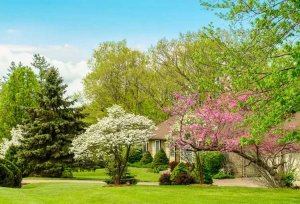
For those ready to dig in, a diverse array of species thrives when planted in September. From the showy blossoms of the American fringe tree (Chionanthus virginicus) to the hardy evergreen fir (Abies spp.), there is a tree to suit nearly every climate and aesthetic preference. The American fringe tree, native to the eastern U.S., offers feathery white flowers in spring and golden foliage in autumn, thriving in zones 3–9. Similarly, the American redbud (Cercis canadensis) dazzles with early spring pinkish-purple blooms and heart-shaped leaves, adaptable to zones 4–9.
Fruit-bearing options like the edible fig (Ficus carica) reward gardeners in warmer zones (7–10) with sweet, mid-summer fruits. For those in cooler regions, the Norway spruce (Picea abies) and various pine species (Pinus spp.) provide year-round greenery and excellent privacy screens, with hardiness ranging from zone 2 upward.
Selecting the Right Tree for Your Landscape
Choosing the ideal tree involves assessing your local climate and site conditions. The USDA Plant Hardiness Zone map is a valuable starting point, indicating which species will thrive in your region. Equally important is evaluating your yard's specific attributes—sun exposure, soil moisture, and drainage—to match a tree that will flourish in its intended spot. Whether you seek a towering shade tree like the northern catalpa (Catalpa speciosa) or a compact ornamental like the Japanese maple (Acer palmatum), there are options to fit every space and purpose.
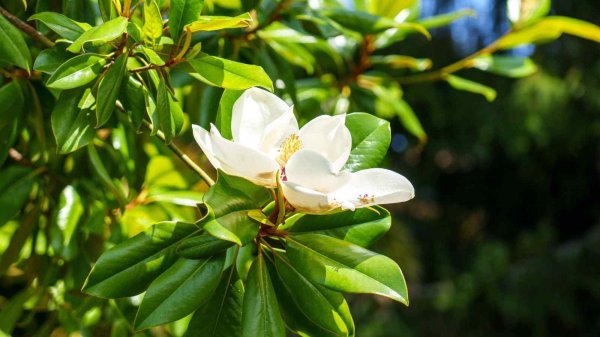
For those with smaller areas, dwarf cultivars of flowering crabapple (Malus spp.) or Japanese maple offer all the visual appeal without overwhelming the landscape. Conversely, large properties may benefit from the majestic southern magnolia (Magnolia grandiflora), which commands attention with its glossy evergreen leaves and fragrant, six-inch-wide blooms.
Planting and Aftercare Tips
Proper planting techniques are crucial for establishment. Before planting, loosen the soil, remove weeds, and amend as needed. Gently loosen pot-bound roots to encourage outward growth. After placing the tree, apply mulch to protect tender roots and water thoroughly, maintaining consistent moisture for the first couple of weeks.
September also offers opportunities beyond tree planting. Gardeners can divide overgrown perennials, transplant wildflowers, or sow seeds for spring germination. These activities complement tree planting, creating a dynamic and resilient garden ecosystem.
As autumn approaches, the effort invested in September planting pays off with a landscape that bursts to life in the spring, ready to provide shade, beauty, and habitat for years to come.