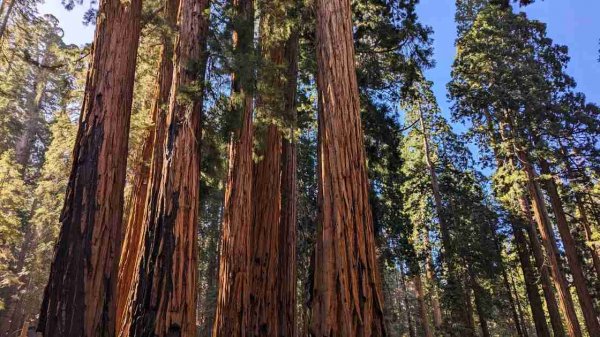
Giant sequoias, the largest trees on Earth by volume, can be grown in home landscapes across USDA zones 6 through 8, offering gardeners a chance to cultivate a living fossil that has survived for millions of years. Native to California's Sierra Nevada, these conifers once dominated the western slopes until logging and severe wildfires reduced them to about 75 wild groves. Despite that history, they remain among the most fire-resistant and climate-resilient species, capable of adding 150 feet in just 50 years under ideal conditions.
While the trees are most associated with California, they are now cultivated worldwide as ornamentals and timber. Gardeners in other regions can successfully grow them, provided they give attention to spacing, water, and site selection. The key is understanding that these are not typical backyard trees—they demand room to spread and a commitment to consistent moisture.
Origins and Distinctive Traits
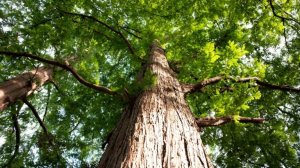
Giant sequoias (Sequoiadendron giganteum) are one of three remaining redwood species, alongside the taller Coast Redwood and the smaller Dawn Redwood. They are adapted to mild climates with humid winters and dry summers at elevations between 4,000 and 8,500 feet. The largest known specimen, named the General Sherman Tree, stands over 270 feet tall and 30 feet in diameter in Sequoia National Park, with an estimated age of 3,800 years.
Although a home-grown sequoia may not reach such monumental proportions in a lifetime, a sapling can grow 30 to 60 feet in a few decades, and up to 150 feet in 50 years. Their rapid growth rate—about two feet per year—makes them a striking addition to any large property.
Propagation and Planting Considerations
For most gardeners, nursery-grown saplings are the simplest route, but seeds and cuttings are also viable. Seeds collected from mature trees (70+ years old) have a low germination rate of about 20%, and cuttings require young trees under 20 years old. The Jonsteen Company’s SequoiaTrees.com offers seedlings for shipment, and specialized nurseries may carry ornamental cultivars like ‘French Beauty’ or ‘Albospica’.
When planting, choose a full-sun location with at least 30 to 60 feet of clearance in all directions for optimal growth. Trees can be spaced closer—six to seven feet—for privacy screens or windbreaks, but that limits their size. Dig a hole twice as wide as the root ball, plant at the original soil level, and water deeply but infrequently, allowing the root zone to nearly dry out between waterings.
Water, Soil, and Climate Needs
Giant sequoias are water-demanding, with mature trees using an estimated 500 to 800 gallons per day in summer. However, overwatering is a common problem; the soil should not remain soggy. They prefer deep, well-drained sandy loams with a pH between 5.5 and 7.5, but they tolerate a range of soils as long as there is no standing water. They thrive in full sun (8-10 hours daily) and can handle frost and heat, though growth is slower in colder zones.
These trees are notably drought-tolerant once established, relying on natural rainfall except during prolonged dry spells. They are also more resilient than Coast Redwoods, not requiring the fog belt that their cousins depend on.
Maintenance and Risks
Giant sequoias are low-maintenance and largely pest-free, with bark beetles being the main threat, typically targeting drought-stressed trees. Proper watering is the best prevention. Their massive root systems, which can spread 70 to 100 feet or more, can damage foundations, so they should be planted far from structures. In Salem, Oregon, two sequoias have encroached on a century-old house, illustrating the need for careful placement.
For those seeking variety, cultivars like ‘Glaucum’ (blue-green foliage), ‘Von Martin’ (dwarf, hardy to zone 6), and ‘Pendulum’ (narrow, pillar-shaped) offer options for different spaces. Companion plants such as ferns, rhododendrons, and azaleas can thrive under the canopy, but should be kept several feet from the trunk.
Growing a giant sequoia is a long-term commitment that rewards patience with a tree that can outlive generations. While it is legal to plant them, removing trees or parts from wild groves is prohibited, especially in protected areas like Sequoia National Park. With proper planning, home gardeners can contribute to the preservation of this ancient species.