For over a decade, gardeners have wrestled with the persistent challenge of grassy weeds invading flower beds, from crabgrass clumps to creeping Bermuda grass. These plants are notoriously difficult to manage, with some going to seed in under a month and others spreading through tough stolons and rhizomes. However, a new set of strategies offers hope for those who prefer to avoid chemical herbicides.
Five primary methods have emerged as effective, eco-friendly alternatives: hand-pulling, hoeing, tarping, flame weeding, and mulching. Each technique has its own advantages and drawbacks, making them suitable for different situations and levels of infestation.
Hand-Pulling: Precision for Small Infestations
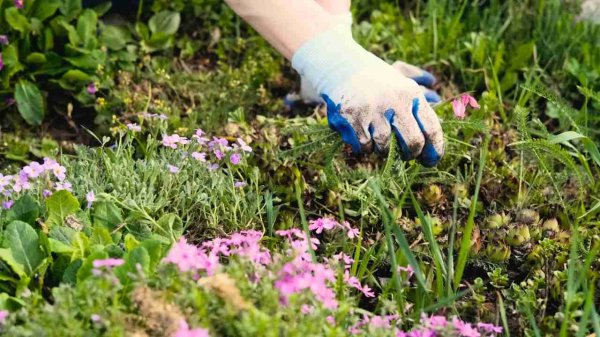
For gardeners with only a few grassy weeds, hand-pulling remains a simple, tool-free option. This method allows for precise removal, especially in tight spaces between flowers. However, it is physically demanding and time-intensive, making it impractical for large areas. To ease the process, moist soil is recommended, as it allows for easier root extraction. For rhizomatous grasses like Bermuda or Zoysia, it is crucial to remove all underground rhizomes, as even a small fragment can regenerate. Loosening the soil with a digging fork or broadfork before pulling can help ensure complete removal.
Hoeing: Efficiency for Larger Patches
When flower beds resemble a lawn, a sharp hoe can quickly cut down small grasses. Stirrup hoes are ideal for slicing through pathways, while chopping hoes handle larger weeds. Long-handled hoes offer ergonomic benefits, allowing gardeners to work standing up, though hand-held versions are better for tall raised beds. It is important to note that hoeing cuts rather than pulls, so it is not recommended for grasses with rhizomes or stolons, as this can inadvertently spread them.
Tarping: A Long-Term Solution for Overrun Beds
For completely overrun beds, tarping is a highly effective method that involves covering the soil with an opaque tarp for several weeks or months. This blocks sunlight, killing the grass. Silage tarps are preferred for their durability against UV rays, but standard tarps can work if weighted down securely. The main drawback is the fallow period, which can last from two weeks for annual grasses to several months for creeping varieties. Tarping can also help reduce the weed seed bank by triggering germination and then killing the seedlings.
Flame Weeding: Quick and Soil-Friendly
Flame weeders, which use propane torches, offer a quick and efficient way to kill small grass without disturbing the soil. This method is most effective on grass less than an inch tall and can be used for preventative passes along pathways. It is particularly useful for beds with slow-germinating flower seeds, as the heat kills weeds without affecting seeds buried in the soil. However, caution is essential to avoid unintended fires, and this method is not effective on larger plants.
Mulching: Prevention and Soil Health
After removing grass, mulching is key to preventing regrowth. Organic mulches like wood chips, leaf mulch, pine needles, or straw, applied at least two inches thick, block light and inhibit seed germination. They also improve soil moisture retention and texture as they decompose. Alternatively, landscape fabric can be used, though it is less eco-friendly and can fray if cut improperly. Mulching does not kill existing large grass, so it is best used as a preventive measure.
Each of these methods offers a viable path to a grass-free flower bed without the use of chemicals. The choice depends on the scale of the problem, the type of grass, and the gardener's preference for physical effort versus time investment.