Gardeners seeking a perennial that combines visual appeal with minimal upkeep may find a match in 'Kirigami' oregano, an ornamental cultivar that trades culinary flavor for showy, hop-like bracts and a spicy fragrance. Unlike its culinary cousins, this Mediterranean native is grown for its looks, not its taste, making it a distinctive addition to sunny borders, rock gardens, and containers.
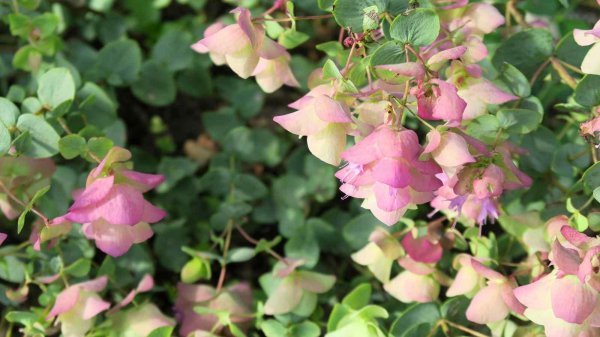
Developed through selective breeding, 'Kirigami' emphasizes ornamental traits such as extended flowering and aromatic foliage. The plant forms a low mound, typically reaching 8 to 10 inches in height, with small, rounded leaves that carry a warm, spicy scent. Throughout the summer, it produces clusters of small pink flowers nestled within light green bracts that age to rosy accents. These bracts persist after the flowers fade, extending the plant's visual interest and making it suitable for dried arrangements.
From Ancient Remedies to Modern Gardens
Oregano's history stretches back centuries, with ancient Egyptians using it as an antidote and preservative, and traditional medicine across Europe and China valuing its antibacterial and antifungal properties. While modern use focuses on culinary applications, the plant's medicinal heritage remains well documented. Ornamental varieties like 'Kirigami' are hybrids, originating from breeding programs in the Mediterranean region, particularly in areas like Syria, Cyprus, and Turkey, where the plant naturally thrives in dry, rocky, alkaline soils.
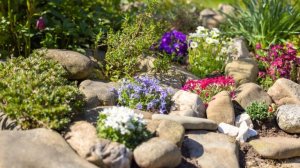
This heritage explains its preferences: full sun, excellent drainage, and a neutral to alkaline pH. It is well adapted to sandy or gravelly soil and tolerates drought once established. In the garden, 'Kirigami' serves as an effective ground cover or border plant, and its trailing habit makes it a natural fit for hanging baskets and container spillers. Additionally, its nectar-rich flowers attract pollinators, while its aromatic oils help repel common garden pests, making it a beneficial companion for vegetables like tomatoes and squash.
Planting and Care Essentials
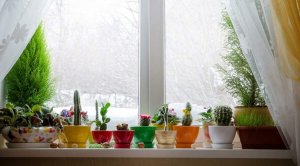
For optimal growth, plant 'Kirigami' in a location that receives six to eight hours of direct sunlight daily. While it can tolerate partial shade, flowering is significantly reduced. The plant is hardy in USDA zones 5 through 8, where it returns as a perennial; in other climates, it can be grown as an annual or overwintered indoors in containers.
When planting, space seedlings 10 to 12 inches apart to allow for spreading. Seeds require light to germinate, so press them into moist soil without covering them. For earlier blooms, start seeds indoors in trays, maintaining moisture until germination. Soil should be well-draining; sandy or rocky types are ideal. If your soil is heavy, amend with coarse sand or perlite to improve drainage, but avoid rich organic matter that can increase acidity.
Watering needs are modest. Young plants require consistent moisture, but established oregano prefers drier conditions. Aim for about one inch of water per week, adjusting for heat and container growth, as potted plants dry out faster. Overwatering can lead to root rot, a common issue in soggy conditions.
Fertilization is rarely necessary. A light application of compost at planting and annually thereafter provides sufficient nutrients without altering soil pH. Pruning is minimal; cut stems back to about six inches in late winter or early spring to encourage bushier growth.
Propagation and Problem-Solving
Gardeners can propagate 'Kirigami' through seeds, cuttings, or division. Seeds are the most common method, but cuttings taken in late summer and treated with rooting hormone also root readily. Division is best performed in late summer, allowing new plants to establish before frost.
This oregano is notably resistant to pests and diseases, though aphids and spider mites may occasionally appear. Fungal issues, such as mint rust, are more likely in humid conditions; ensuring good air circulation and full sun can mitigate this. If flowering is sparse, insufficient sunlight is often the culprit, and relocating the plant may help.
While 'Kirigami' is not suitable for culinary use due to its lack of flavor, its ornamental value and ease of care make it a rewarding choice for gardeners seeking a resilient, attractive perennial. Whether planted in the ground or in a container, it offers a long season of interest and a pleasant fragrance that enhances outdoor living spaces.