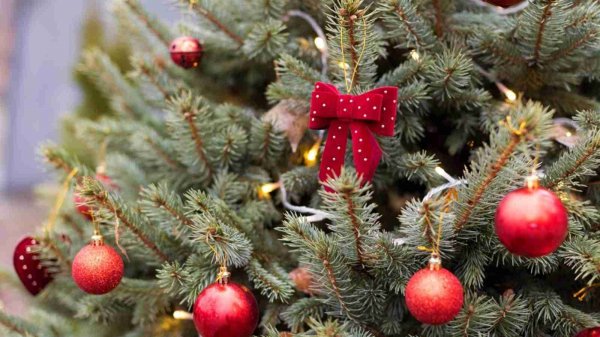
For many households, the Christmas tree is the centerpiece of holiday decor, but keeping it looking vibrant requires more than just ornaments and lights. The key to a fresh, green tree is proper hydration, a task that many overlook or misunderstand. According to horticultural experts, a cut Christmas tree behaves much like a cut flower: without adequate water, it will quickly wilt and lose its needles. The amount of water needed varies based on several factors, including tree size, indoor climate, and whether the tree is cut or live.
Contrary to some popular beliefs, watering a cut tree is not optional. A cut tree, once severed from its roots, relies entirely on the water in its stand to maintain its appearance and fragrance. The tree's water uptake is most vigorous in the first seven to ten days after cutting, making it crucial to ensure a clean cut and a consistently filled reservoir during this period. After that, the tree gradually absorbs less water as it begins to dry out, but consistent watering remains essential to slow this process.
Measuring Daily Water Needs
To determine the minimum daily water requirement, measure the trunk's diameter at its base, which is the widest point. As a rule of thumb, each inch of trunk diameter requires at least one quart of water per day. For example, a tree with a four-inch diameter trunk needs a stand that holds at least one gallon of water, and preferably two. It is virtually impossible to overwater a cut tree, so keeping the reservoir full is the safest approach.
Size also plays a role, but not just height. A nine-foot tree will generally need more water than a three-foot tree, but a six-foot tree with a wide branch spread may consume as much as a taller one. Therefore, trunk diameter is a more reliable indicator than height alone. Choosing a larger tree stand can also reduce the frequency of watering, which is a practical advantage during the busy holiday season.
Indoor Climate and Tree Longevity
The environment inside your home significantly impacts how long your tree stays fresh. Most Christmas trees are evergreen species native to mild or cool climates, and they are not accustomed to the warm, dry air of heated homes. In cooler regions, running the heat can dry out the air, which is detrimental to the tree's needles. Conversely, in warmer climates, the tree may have already experienced stress during transport, and the cooler indoor temperature might provide some relief. In both cases, regular watering is crucial, and lightly misting the needles can help maintain moisture, provided it doesn't interfere with ornaments.
Additives and Live Trees
Many tree lots sell additives that claim to prolong tree life, but these are often unnecessary and can sometimes be harmful. Clean, fresh tap water is all that is needed to keep a cut tree healthy. As for live trees with root balls, their care is different. They should be kept in the house only briefly to avoid pushing them out of dormancy, which could lead to cold damage. The root ball should be kept moist but not soggy, and the tree should not be left in standing water to prevent root rot.
Ultimately, the effort of decorating a Christmas tree is significant, and no one wants to see it turn brown before the holiday is over. By understanding the water needs of your tree and committing to daily watering, you can enjoy a lush, green tree through the entire season.