As autumn nights turn crisp and the first frost threatens, gardeners in temperate regions face a familiar dilemma: which beloved plants can survive the cold, and which must be brought inside? For those in zones 8 and below, the answer often involves relocating tender species that are native to tropical or subtropical climates. A new guide highlights 21 such plants, offering practical advice on how to overwinter them successfully, whether as houseplants, dormant bulbs, or cuttings.
The list includes popular garden favorites like alocasia, banana, basil, begonia, and dahlias, each with specific requirements for temperature, light, and water. For instance, alocasia, native to Australia and Southern Asia, thrives in warm, humid conditions and prefers bright, indirect sunlight. Gardeners should bring them indoors when temperatures dip into the low 50s Fahrenheit, and can even store the bulbs in a cool, dark spot after drying. Similarly, banana trees (Musa) can be moved inside before the first freeze, with stems cut to about six inches and stored in a cool, dark room, keeping the soil slightly moist to avoid root rot.
Herbs like basil and rosemary also make the list, though their needs differ. Basil, native to tropical and subtropical Asia, benefits from a light pruning before moving indoors, and should be placed in a sunny window after a brief acclimation period. Rosemary, a Mediterranean native, requires a very sunny spot—at least six hours of direct sun daily—or supplemental grow lights to thrive indoors.
Dormancy and Storage Strategies
Many plants on the list enter a dormant phase during winter, allowing gardeners to store them in a cool, dark place rather than maintaining them as active houseplants. For example, caladiums, native to Central and South America, stop growing at about 55°F; after leaves die back, tubers can be dug up, dried, and stored in peat moss. Calla lilies, from South Africa, also go dormant, requiring a cool, dry, dark spot for two to three months. Canna, hardy to zone 7, can be cut to the soil and stored in a cool, dry space, or dug up as bare-root bulbs.
Dahlias, tuberous perennials hardy in zones 8-12, are typically lifted after the first frost kills their tops. The tubers are then dried and stored in containers like cardboard boxes or paper bags. Ginger, another tuberous plant, follows a similar method: wash, dry, and store in a cool, dark, dry environment until spring replanting.
Some plants, like coleus, are so easy to propagate from cuttings that gardeners can simply take stem cuttings and root them indoors for the winter, providing a fresh batch of plants for spring. This method is ideal for those with limited indoor space.
Winter Bloomers and Special Care
Not all plants on the list require dormancy. Kalanchoe, a winter bloomer, can be brought indoors when temperatures approach 45°F, and will continue to flower with bright, indirect light and watering every two weeks. Orchids, though varied in their needs, generally require high humidity (50% or more) and weekly watering; some species like Cattleyas can handle direct sun, while Phalaenopsis prefer filtered light.
Citrus trees, which may have fruit maturing in winter, need consistent care: six or more hours of sun daily, protection from drafts, and a humid environment. A sunny bathroom or a humidifier can help. Poinsettias, often thought of as winter plants, are actually tropical and should be brought indoors in late September to early October; exposing them to longer dark periods will enhance their colorful bracts.
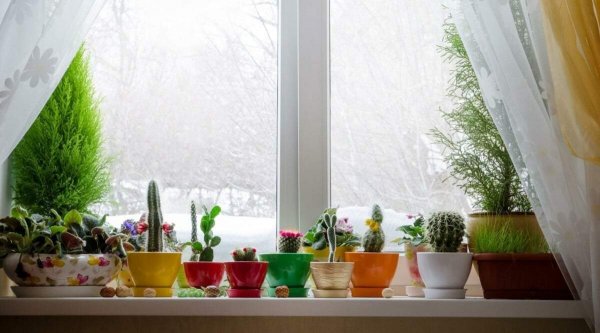
For gardeners in zones 9 and warmer, many of these plants can stay outdoors year-round, but for others, a little effort in the fall ensures a vibrant garden next spring. As the guide notes, you don't need a greenhouse—just bright windows and a cool, dark storage spot for dormant plants.