After a harsh winter, many homeowners find their lawns dotted with bare patches, brown blades, or even signs of fungal disease. The cold months can take a toll on grass through frost, snow molds, and moisture imbalances, leaving yards looking tired and patchy as temperatures rise. But with a systematic approach, most winter damage can be repaired, and a healthy lawn can be restored in time for summer.
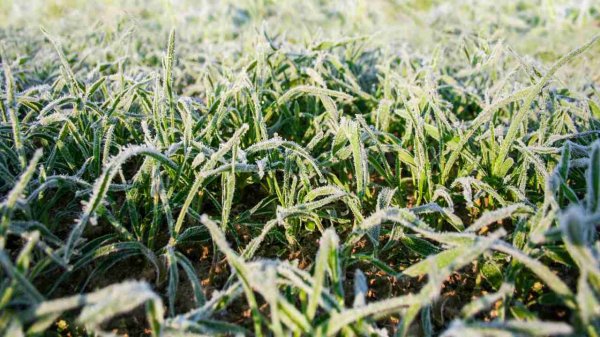
The first step is understanding why grass dies in winter. Common culprits include crown hydration, where temperature swings cause thawing and refreezing in the grass crowns; desiccation from lack of snow and moisture; thick ice layers that suffocate the grass; low temperatures that kill exposed lawns; and snow molds, which are fungal growths that appear under snow cover on nitrogen-rich sites. Identifying the specific cause helps in applying the right corrective measures.
Once the causes are known, a six-step recovery plan can guide the process. The plan emphasizes patience, proper soil preparation, and consistent care, ensuring that new grass has the best chance to thrive.
Step 1: Wait for Spring Warmth
Before any action, it's crucial to wait for spring warmth. Many grass species go dormant in fall, pulling resources from leaf blades into their crowns and roots to survive low temperatures and little light. Distinguishing between dormant and dead grass is difficult during cold months. As new growth emerges in spring, green areas indicate dormancy, while bare patches with brown, black, or yellow blades signal dieback. If no new growth appears while the rest of the lawn thrives, the patch is likely dead.
Step 2: Clear Weeds and Debris
Dead grass and debris should be removed to prepare the soil. A dethatcher or a fine-toothed rake works well for small and medium lawns. The dead plants often come up easily because no living roots hold them down. It's also important to remove twigs, stones, and weeds, as weeds take advantage of bare soil to propagate. For stubborn weeds like dandelions, cat's ears, and clover, hand weeding or tools may be necessary. An alternative approach is to embrace low-growing species like clover, which can create a resilient, drought- and frost-resistant lawn.
Step 3: Test Soil and Add Amendments
After clearing, rake the soil to create a smooth, clump-free surface. A soil testing kit can reveal nutrient deficiencies. If nitrogen, phosphorus, or potassium levels are low, adding compost or an organic fertilizer is recommended. Compost improves soil structure, absorbency, and nutrient content. A starter fertilizer with a ratio like 10-20-10 is suitable for reestablishing grass. Spread amendments evenly using a hand or broadcast spreader to ensure uniform growth.
Step 4: Choose Seeds or Sod
Homeowners have two main options: seeds or sod. Seeds are cheaper and offer a wider variety of grass types, but they take longer to establish. Sod provides instant coverage but is more expensive and has fewer variety options. For small patches, seeds are often the best choice, while a mix of both can work for irregular bare spots.
Step 5: Plant New Grass
When planting seeds, follow the label instructions for application rates. Spread seeds evenly by hand or with a spreader, then lightly rake to ensure seed-to-soil contact. For sod, lay the rolls in a brick-like pattern, alternating rows to prevent water runoff channels. This pattern helps water penetrate evenly.
Step 6: Monitor Moisture
Consistent moisture is key to seedling success. The soil should be kept moist but not soggy—like a wrung-out sponge. Overwatering can lead to rot, while underwatering can dry out young roots. As seedlings mature, gradually reduce watering to encourage deeper root growth. The frequency of irrigation depends on climate, light, and soil type. If new patches fail, fall is an ideal time to replant, as cooler temperatures and ample moisture favor grass establishment.
By following these steps, homeowners can address winter damage and set their lawns up for a healthy growing season. The process requires patience and observation, but the result is a lush, resilient lawn ready for summer activities.