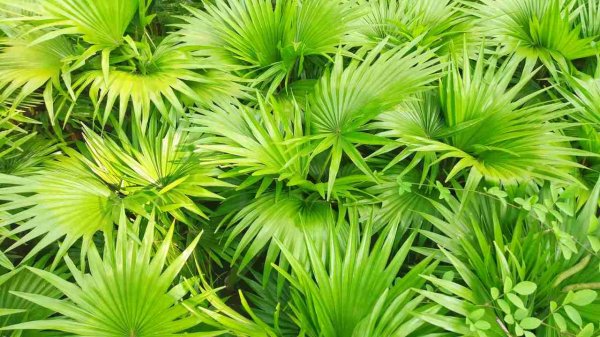
For many gardeners, the iconic palm silhouette conjures images of tropical beaches and balmy breezes. Yet a surprising number of palm species can thrive far beyond the frost line, bringing a touch of the exotic to northern landscapes. From the shrubby needle palm, which endures sub-zero dips, to the towering Chilean wine palm, these plants offer resilience and visual drama for zones 6 through 11.
While most palms tolerate a light freeze, true cold-hardy varieties can handle more than a brief dip below 32°F (0°C). Tropical species, the least tolerant, are best kept in containers north of Zone 10 so they can be moved indoors. Temperate palms suit zones 9 and 10, but the species highlighted here are a cut above—they survive at least to Zone 8, with several pushing into colder territory.
From Groundcover to Canopy: Species for Every Space
At the compact end of the spectrum, the needle palm (Rhapidophyllum hystrix) reaches just 3 to 6 feet tall and thrives in zones 6-10. Native to the southeastern U.S., it tolerates short periods of sub-zero temperatures and performs well in partial shade, though it can handle full sun. Its low-maintenance nature and textural appeal make it a versatile shrub for northern borders.
For a slightly taller option, the Chinese windmill palm (Trachycarpus fortunei) grows 8 to 10 feet in cultivation, though it can reach 40 feet in the wild. Its stout trunk is covered in a fibrous "hair" of fallen branch remnants. Hardy to zones 7-11, it withstands temperatures down to 15-20°F (-9 to -7°C) and tolerates salt, making it suitable for coastal gardens.
The cabbage palm (Sabal palmetto) is one of the largest cold-hardy species, reaching 12 to 35 feet. Native to the U.S., Mexico, the West Indies, and the Bahamas, it grows mostly straight, though winds can cause a slight lean. Hardy to 15°F (-9°C), it has a textured gray trunk and a history of use among Native Americans, who ate its heart and buds—hence the name.
Remarkable Survivors: Palms That Push the Limits
Among the most cold-tolerant is the saw palmetto (Serenoa repens), a low, creeping shrub native to the southern U.S. It endures temperatures down to 10°F (-12°C) and is fire-, drought-, and flood-resistant. Its serrated leaf stalks give it its name, and it grows faster with more water.
The Chilean wine palm (Jubea chilensis) is a showstopper, reaching 60 to 80 feet with a trunk up to 3 feet in diameter—the largest of all palms. An Award of Garden Merit winner from the Royal Horticultural Society, it tolerates cold, moist winters and hot, dry summers, surviving short dips to 7°F (-14°C).
Another giant is the Mexican sabal (Sabal mexicana), also called Texas or Rio Grande palm. It grows 40 to 60 feet tall, slowly, and tolerates drought. Young plants need frost protection, but mature ones handle short bouts around 12°F (-11°C).
The pindo palm (Butia capitata) offers blue-green fronds that curve toward its stout trunk. Hardy to zones 9-11 (often 8), it tolerates heat, salt, and temperatures as low as 14°F (-10°C). It produces fragrant yellow flowers in summer, followed by orange fruits.
For extreme cold, the Mazari palm (Nannorrhops ritchiana) thrives in zone 6, surviving to -5°F (-21°C). Native to Afghanistan and Pakistan, it forms clumps up to 20 feet tall, with silvery blue fronds and edible orange fruits.
Native Gems and Coastal Favorites
The Bermuda palmetto (Sabal bermudana) is endemic to Bermuda, growing in marshy areas and coastal forests. It reaches up to 85 feet and, unlike most palmettos, lacks spines on its leaf stalks. Its fragrant white flowers attract pollinators, and its fruit feeds birds. Hardy to 15°F (-10°C).
The dwarf palmetto (Sabal minor) is a shrubby native of the U.S. and Mexico, growing 2 to 10 feet. It tolerates wet soil and low acidity, and has no significant pest issues. It survives to 0°F (-18°C), with a range from Florida to North Carolina and west to Texas.
Finally, the California fan palm (Washingtonia filifera) is the only palm native to the western U.S. It grows 40 to 60 feet tall, with fronds 3 to 6 feet wide. Its spent fronds form a "petticoat" skirt. Hardy to 23°F (-5°C) in zones 8-11, it prefers moist soil and full sun.
For northern gardeners, these species prove that a tropical aesthetic is within reach. Whether you seek a ground-hugging shrub or a towering specimen, there's a cold-hardy palm to suit your space and climate.