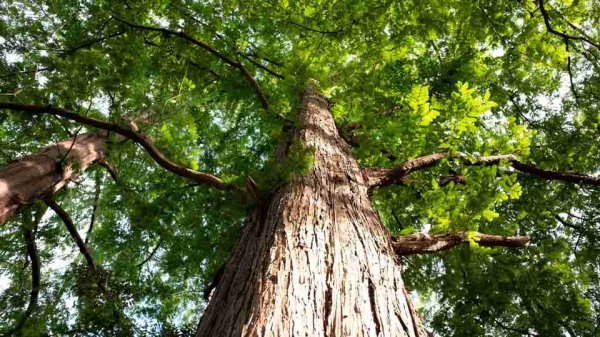
A tree species that predates the dinosaurs and was once believed lost to history is now finding a new role in American landscapes. The dawn redwood (Metasequoia glyptostroboides), a deciduous conifer native to China, offers homeowners and parks an ornamental alternative to the towering redwoods of California's coast. Unlike its evergreen relatives, this ancient tree drops its needles each autumn, turning a golden-bronze before shedding—a rare trait among conifers.
Rediscovered in 1944 by Chinese foresters in Sichuan province, the species had been known only from fossils dating back over 150 million years. After China opened to foreign visitors, botanists found living forests of the “living fossil,” sparking global interest. Today, the tree is cultivated worldwide, prized for its pyramidal shape, straight trunk, and rapid growth—up to three feet per year.
Why It's a Practical Choice for Large Landscapes
Compared to its famous cousins—the coast redwood and giant sequoia—the dawn redwood is smaller and more adaptable. It thrives in USDA zones 4 through 8, tolerating temperatures from -20°F to 85°F, and is less picky about fog and humidity. While it can reach 60 to 100 feet tall and spread 15 to 25 feet wide, it requires at least 25 feet of space in all directions, making it unsuitable for typical residential lots. Instead, it's recommended for estates, farms, homesteads, and parks.
The tree is also remarkably low-maintenance. It naturally forms a strong central trunk and needs little pruning. It tolerates poor soil, pollution, and occasional flooding, though it prefers full sun and acidic, well-drained loam. Fall planting, after leaf drop but before ground freeze, gives roots time to establish with seasonal rains.
Propagation: Seeds, Cuttings, and Nursery Saplings
Growing a dawn redwood can be a test of patience. Seeds have a germination rate of less than 5% and can take months to sprout, though pre-soaking and pre-germination in moist paper towels can improve odds. For faster results, cuttings from a mature tree—taken in late spring or early summer—are the cheapest and most reliable method. Nursery saplings offer the easiest start, with cultivars like the dwarf 'Schirrmann's Nordlicht' and the golden 'Ogon' available.
When buying a sapling, experts advise checking that the root ball is about ten times the trunk diameter, the trunk is straight, and roots are not tightly bound. Planting involves digging a hole two to three times wider than the root ball, loosening surrounding soil, and avoiding rich compost, as the tree doesn't need high fertility.
Landscape Value and Ecological Benefits
Beyond its ornamental appeal, the dawn redwood provides wildlife benefits, including winter cover for birds and shade in summer. It pairs well with native ferns, dogwoods, and rhododendrons that thrive in similar moist, acidic conditions. The tree is largely pest-resistant, though Japanese beetles and spider mites can occasionally appear, especially in dry soil.
For those considering this ancient species, the dawn redwood offers a unique blend of history, resilience, and seasonal beauty—a living connection to a prehistoric past that fits comfortably in modern landscapes.